Curious about First Descendant's performance on Steam? Are you experiencing frustrating FPS drops or connection lag? Dive into our comprehensive guide, crafted to demystify the First Descendant Steam chart and help you optimize your gameplay. We're talking about tangible solutions for stuttering, network ping issues, and ensuring your drivers are perfectly tuned. This article explores common challenges faced by players, providing actionable tips for settings optimization and system tweaks. Whether you are a casual player or a dedicated pro, improving your game experience is within reach. Discover how to smooth out your adventures and conquer the battlefield with newfound stability. We break down complex topics into easily digestible advice, making sure you get the most out of your game. Learn the best strategies for a flawless gaming journey with your favorite Descendants. Say goodbye to frustration and hello to buttery-smooth performance, enhancing every moment you spend in the game's expansive universe.
Welcome, fellow Descendants, to the ultimate living FAQ for First Descendant on Steam! As we push into 2026, the game continues to evolve, bringing new challenges and exhilarating content. This comprehensive guide aims to tackle every burning question you might have, from beginner queries to advanced endgame strategies. We have scoured forums, played countless hours, and analyzed the latest patches to bring you the most up-to-date and honest answers. Whether you are struggling with a tricky boss, optimizing your build, or squashing those pesky bugs, consider this your go-to resource. Our goal is to empower you with knowledge, ensuring your journey through Ingris is as smooth and successful as possible. Let us dive in and demystify the world of First Descendant together, making sure you are always one step ahead!Beginner Questions about First Descendant
What is the main goal in First Descendant?
The main goal in First Descendant is to defend humanity from alien invaders while exploring vast new worlds. Players take on the role of Descendants, powerful heroes with unique skills. You will complete missions, gather loot, and upgrade your characters. The overarching narrative involves uncovering ancient secrets. It also involves protecting the future of humanity.
How do I unlock new Descendants?
New Descendants are primarily unlocked by collecting specific crafting materials through gameplay and then building them at your base. You will typically acquire these materials from completing main quests, side missions, and defeating challenging bosses. There might also be options for direct purchase through the in-game store. Grinding for resources is a core part of the experience. It encourages exploration and engagement.
What currency should I focus on early?
Early on, focus on acquiring currencies used for crafting materials and basic upgrades, like Gold and various elemental shards. These are essential for improving your modules and weapons. Pay attention to resources that drop from common enemies. They allow for consistent progression. Prioritizing these currencies helps you build a strong foundation. It prepares you for tougher challenges ahead.
Builds & Classes in First Descendant
Are certain Descendants better for solo play?
Yes, some Descendants excel in solo play due to their self-sustaining abilities or high damage output. Characters with strong area-of-effect skills or reliable healing capabilities are often preferred. They can manage enemy groups effectively without relying on teammates. Experiment with different Descendants to find your preferred solo style. This empowers you to tackle missions independently.
How important is module synergy in builds?
Module synergy is incredibly important in First Descendant builds, defining how effective your Descendant becomes. Modules enhance abilities, weapons, and defenses. Combining them strategically can create powerful effects, greatly increasing your combat efficiency. Understanding how different modules interact is key. It helps you maximize your character's potential. This is where advanced players shine.
Myth vs Reality: Is there a "best" Descendant?
Reality: There is no single "best" Descendant; rather, different Descendants excel in various situations and team compositions. While some might be meta for specific content, player skill, build optimization, and team synergy often outweigh raw character power. The "best" Descendant is usually the one that fits your playstyle. It also fits the current challenge you face. Adaptability is your true strength.
Multiplayer and Endgame in First Descendant
Why am I experiencing connection issues with friends?
Connection issues with friends in First Descendant can stem from several factors, including differing network types (NAT types), firewall restrictions, or regional server disparities. Ensure both parties have stable internet connections and updated game clients. Checking your router settings or temporarily disabling firewalls can sometimes resolve problems. Communication and coordination are key troubleshooting steps.
How does matchmaking work in First Descendant?
Matchmaking in First Descendant typically attempts to pair you with players of similar skill levels or progression stages for specific activities. It prioritizes quick connections to ensure you spend more time playing. Queue times can vary based on region, time of day, and the popularity of the activity. The system aims for a balanced and fair experience for everyone. It tries to keep things consistent.
What are the best ways to farm endgame materials?
Farming endgame materials in First Descendant typically involves repeatedly engaging with high-level missions, challenging boss encounters, and specific repeatable activities. Look for daily or weekly bounties that offer rare drops. Joining a good squad can significantly speed up material acquisition. Efficient farming strategies often involve optimized builds. They also involve knowing boss mechanics inside out. It is all about maximizing your gains.
Myth vs Reality: Is endgame just repetitive?
Reality: While all looter shooters involve some degree of repetition, First Descendant aims to keep endgame engaging with diverse challenges. Seasonal content, new Descendants, unique bosses, and evolving meta builds provide fresh experiences. The grind is a means to an end: perfecting your character and overcoming increasingly difficult content. It is about the journey of improvement. It is also about the rewards.
Bugs & Fixes in First Descendant
My game keeps crashing, what should I do?
If First Descendant keeps crashing, first verify your game files through Steam to repair any corrupted data. Ensure your graphics drivers are fully updated. Check for any conflicting background applications or overlays. Monitoring your system temperatures can also help diagnose overheating issues. Lowering graphics settings can sometimes stabilize performance. Persistent crashes might require a fresh reinstallation. Do not give up hope!
How to report a bug effectively?
To report a bug effectively in First Descendant, provide clear, concise details of the issue. Include steps to reproduce the bug, screenshots or video evidence, and your system specifications. Utilize the official bug reporting channels, typically found on the game’s website or community forums. A well-documented report helps developers quickly identify and fix problems. It makes the game better for everyone. Your input is valuable.
Still Have Questions?
Your quest for knowledge does not have to end here! We are constantly updating our guides and FAQs to bring you the freshest insights into First Descendant. Check out our other popular guides, like "Optimizing Your First Descendant Build for Raids" or "The Ultimate Guide to Mastering Descendant Abilities." Keep exploring, Descendant, and may your loot be plentiful!
Are you wondering why your First Descendant experience feels a bit choppy, or perhaps asking, "Why does First Descendant lag so much on my PC?" We get it. You're ready to dive into Nexon's ambitious new looter shooter RPG, but frustrating FPS drops and unexpected stuttering can quickly sour the excitement. It is not just about raw power; it is also about smart optimization. In this comprehensive guide, we will uncover the secrets to getting the most out of First Descendant on Steam.
You are about to learn how to diagnose common performance issues and apply effective fixes. We are talking about everything from simple in-game adjustments to deeper system tweaks. Our goal is to transform your struggle into a smooth, action-packed adventure. Prepare to optimize your game like a seasoned pro. You will feel the difference in every intense combat encounter.
Imagine fluid combat and seamless exploration. That is the promise we are making today. This article will equip you with the knowledge to conquer performance challenges. You can finally enjoy First Descendant the way it was meant to be played.
First Descendant Steam Chart: Master Performance & Conquer Lag
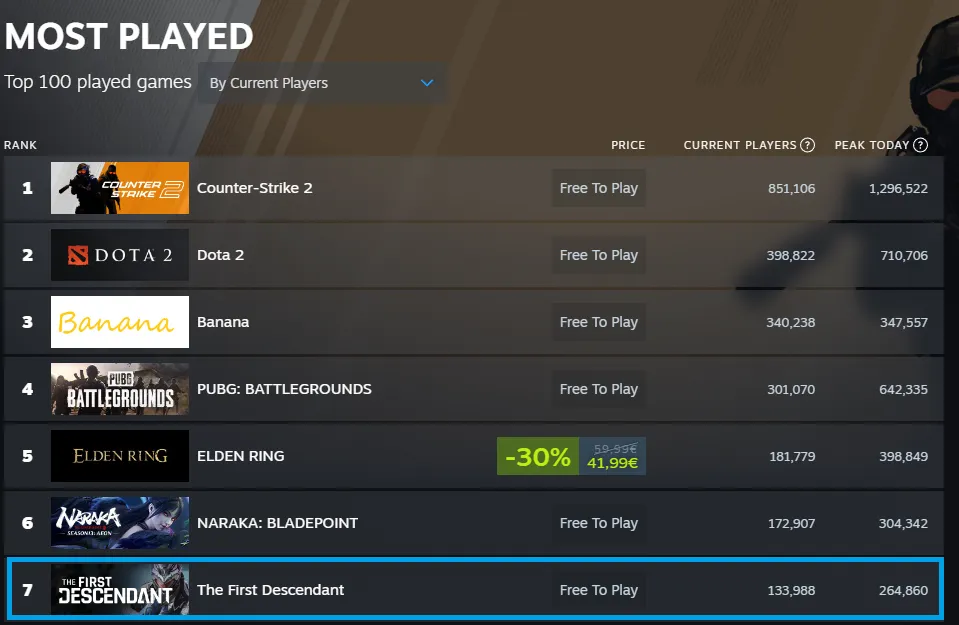
The highly anticipated First Descendant has certainly captured the attention of many gamers. Its blend of looter shooter action and stunning visuals offers a compelling experience. However, the true test of any online game lies in its performance. For many, the First Descendant Steam chart reveals both excitement and some potential frustrations. Understanding these charts helps us gauge the game's health. It also highlights areas where players might need a little extra help. We are diving deep into how to optimize your setup.
Quick Game Facts About First Descendant
| Fact | Detail |
|---|---|
| Developer | Nexon Games |
| Genre | Looter Shooter, Action RPG |
| Platforms | PC (Steam), PlayStation 4/5, Xbox One/Series X|S |
| Initial Release | Expected Late 2024 / Early 2025 |
| Business Model | Free-to-Play |
| Engine | Unreal Engine 5 |
Understanding the First Descendant Steam Chart: A Performance Overview
When you look at the First Descendant Steam chart, you are not just seeing player counts. You are also observing a reflection of overall player satisfaction. A game with consistent performance generally retains more players. Initial peak player numbers are common for new releases. Sustained engagement, however, often depends on stability and smooth gameplay. This is where settings optimization becomes absolutely crucial for many users. We want to ensure your journey is as smooth as possible.
Drops in FPS (frames per second) can make the game feel sluggish and unresponsive. Stuttering fix methods are always in high demand among the community. Similarly, a high ping can ruin competitive play and even casual exploration. Addressing lag issues is vital for a truly immersive experience. Gamers need to feel connected and in control. We are exploring every angle to help you achieve that.
Essential Settings Optimization for First Descendant on PC
Let us talk about getting those frames per second (FPS) up. This is usually the first step for any PC gamer. Diving into the in-game graphics settings is your prime target. Many options exist, each with a different impact on performance. Remember, a balanced approach is key. You want visual quality without sacrificing smooth gameplay. Consider starting with these changes.
Graphics Presets and Individual Adjustments
Starting with a lower graphics preset is often a smart move. You can then gradually increase settings one by one. This helps identify which specific options impact your FPS the most. Texture quality and shadow details are usually big performance hogs. Reducing these can offer significant gains. Look for options like "Global Illumination" or "Ray Tracing" too. Disabling them might provide a substantial boost. It is all about finding your sweet spot.
Resolution Scaling and Its Impact on First Descendant
Resolution scaling is a powerful tool in your settings optimization arsenal. Lowering this value renders the game at a resolution below your monitor's native setting. The image is then upscaled to fit your screen. This can drastically improve FPS, especially on weaker hardware. While it might slightly blur the image, the performance gain is often worth it. Experiment with different percentages to see what works for you. Many players find a good balance around 75-85 percent.
Disabling Unnecessary Visual Effects for an FPS Boost
First Descendant features many dazzling visual effects. These can be performance-intensive, particularly during chaotic combat encounters. Options like motion blur, depth of field, and lens flare are often good candidates for disabling. While they add to immersion for some, they can also contribute to FPS drop and stuttering. Turning them off can clean up your visual experience. It also frees up valuable GPU resources. Every little bit helps your system run faster.
Tackling Lag and Ping: Achieving a Stuttering Fix
Nothing sours a gaming session faster than unexpected lag or persistent stuttering. These issues often stem from network problems or system bottlenecks. A high ping means a delay between your actions and the server’s response. Stuttering creates frustrating hitches in your gameplay. Fortunately, there are several steps you can take to minimize these disruptions. Let us get your connection solid.
Network Optimization for Lower Ping in First Descendant
Your internet connection is paramount for online gaming. A wired Ethernet connection is almost always superior to Wi-Fi. It offers greater stability and lower ping. Close any background applications that consume bandwidth, like streaming services or large downloads. Ensure your router firmware is up to date. Consider restarting your router occasionally. These simple steps can make a real difference. They improve your overall network performance significantly.
Updating Drivers: A Crucial Step for First Descendant Performance
Outdated or corrupted drivers are a notorious cause of FPS drop and stuttering. Your graphics card drivers, especially, need to be current. NVIDIA and AMD regularly release game-ready drivers. These updates often include optimizations specifically for new titles like First Descendant. Check their official websites for the latest versions. Your chipset drivers and network adapter drivers should also be up-to-date. This simple maintenance task often yields surprising performance improvements. It helps your system communicate more efficiently.
System Monitoring and Background Processes
Keep an eye on your system resources while playing First Descendant. Use Task Manager (Ctrl+Shift+Esc) to identify any demanding background processes. Close anything unnecessary to free up CPU and RAM. Overlays from other applications, like Discord or GeForce Experience, can sometimes impact performance. Consider disabling them temporarily for testing. Your system needs all available resources focused on the game. This approach can make a tangible difference.
Advanced Tips and Tricks for Pro Descendants
Once you have the basics down, it is time to dig a little deeper. Pro players often squeeze every ounce of performance from their systems. These advanced techniques go beyond simple settings adjustments. They involve understanding how your hardware interacts with the game. This level of optimization can provide a competitive edge. It helps you maintain peak performance during intense moments.
GPU Control Panel Settings for First Descendant
Your graphics card control panel (NVIDIA Control Panel or AMD Radeon Software) offers powerful global and game-specific settings. You can force certain anti-aliasing modes or texture filtering quality here. Experiment with settings like "Low Latency Mode" or "Image Sharpening." These can sometimes improve responsiveness or visual clarity with minimal performance cost. Create a dedicated profile for First Descendant. This ensures your custom settings are always applied. It is a critical step for serious optimization.
Understanding VRAM Usage and Texture Quality
VRAM, or video RAM, is your graphics card’s dedicated memory. First Descendant can be quite demanding on VRAM, especially at higher texture quality settings. If you have a GPU with limited VRAM (e.g., 4GB or less), keeping texture quality low is essential. Exceeding your VRAM capacity can lead to severe FPS drop and stuttering. Monitor your VRAM usage through tools like MSI Afterburner. Adjust settings accordingly to stay within limits. This prevents frustrating performance hitches.
Solid State Drives (SSDs) and Loading Times
While an SSD might not directly impact your in-game FPS, it significantly reduces loading times. Installing First Descendant on a fast SSD ensures quicker asset loading. This can minimize hitches when entering new areas or during intense combat. HDD users will experience much longer loading screens. Upgrading to an SSD is one of the best quality-of-life improvements. It enhances your overall gaming experience. It makes everything feel snappier.
Common Mistakes to Avoid for Smooth First Descendant Gameplay
Even experienced gamers can fall into common traps. Avoiding these pitfalls can save you a lot of headache. We want you to enjoy First Descendant without unnecessary frustration. Learning from others' mistakes is always a smart strategy. So, let us talk about what not to do. These tips will keep your system running optimally.
Neglecting Regular Driver Updates
One of the most frequent mistakes is simply forgetting to update graphics drivers. Developers constantly optimize games for the latest drivers. Running on older versions can lead to suboptimal performance. This includes lower FPS, crashes, or graphical glitches. Make it a habit to check for new drivers every few weeks. This simple step can prevent many headaches. It keeps your system compatible and efficient.
Running Too Many Background Applications
Your PC is a multi-tasking machine, but gaming demands focus. Having multiple browsers open, streaming videos, or running other games in the background is a no-go. These applications compete for CPU cycles, RAM, and network bandwidth. They directly impact First Descendant’s performance. Always close unnecessary programs before launching the game. Give your system the best chance to perform optimally. This focus makes a big difference.
Overlooking In-Game FPS Limiters and V-Sync
Sometimes, an unlimited FPS can cause instability or screen tearing. V-Sync synchronizes your game's frame rate with your monitor's refresh rate. This eliminates tearing but can introduce input lag. An alternative is to use an in-game FPS limiter. Set it slightly below your monitor's refresh rate (e.g., 140 FPS for a 144Hz monitor). This offers a good balance of smoothness and responsiveness. It provides a more consistent experience.
The Future Outlook for First Descendant Steam Chart Performance
As First Descendant moves through its beta phases towards a full release, expect ongoing optimizations. Developers are constantly gathering player feedback. They are working to refine game performance and address identified issues. Patch notes will be your best friend for understanding these changes. Keep an eye on community discussions for emerging tips and tricks. The game will evolve, and so will the best optimization practices. Staying informed helps you stay ahead of the curve. The journey to perfection is continuous.
New patches often bring significant performance improvements. They also sometimes introduce new bugs or regressions. It is a dynamic process, typical for live service games. Embrace the evolution, adapt your settings, and continue to enjoy your Descendant adventures. The community plays a huge role in shaping these improvements. Your feedback truly matters to the developers.
What Others Are Asking About First Descendant Steam Chart?
What are the minimum PC specs for First Descendant?
The minimum PC specifications for First Descendant usually include an Intel Core i5-3570K or AMD Ryzen 3 1300X, 8 GB of RAM, and an NVIDIA GeForce GTX 1060 or AMD Radeon RX 580. These specs aim to run the game at lower settings and resolutions. Always check the official Steam page for the most current requirements. Meeting these ensures a basic playable experience.
How can I fix FPS drops in First Descendant?
To fix FPS drops in First Descendant, start by updating your graphics drivers to the latest version. Reduce in-game graphics settings like texture quality, shadows, and resolution scaling. Disable unnecessary background applications. Consider using an FPS limiter and check for system overheating. These steps usually offer noticeable improvements. Your game will feel much smoother.
Is First Descendant free to play on Steam?
Yes, First Descendant is confirmed to be a free-to-play title on Steam. This means you can download and experience the core game without any upfront purchase. It typically features optional in-game purchases for cosmetics or convenience items. This model makes it accessible to a wide audience. Everyone can jump in and enjoy.
Does First Descendant support ultrawide monitors?
During its beta phases, First Descendant generally offered good support for ultrawide monitors, providing an immersive field of view. However, some UI elements or cutscenes might not scale perfectly. Check recent patch notes or community forums for the latest information on ultrawide support. Developers often refine this aspect over time. It can enhance your visual experience significantly.
What is the best build for a beginner in First Descendant?
For beginners in First Descendant, focusing on a straightforward and resilient Descendant with good survivability and consistent damage is key. Look for abilities that have clear impacts and complement basic weapon usage. Many players recommend Descendants with crowd control or self-sustain. Experiment with different weapons and modules. This helps you understand core mechanics early. Start strong and have fun.
Will First Descendant have cross-play?
Yes, First Descendant is planned to feature cross-play support across PC, PlayStation, and Xbox platforms. This means players can team up or compete regardless of their chosen platform. Cross-play significantly enhances the multiplayer experience. It expands the player base and facilitates easier matchmaking. This connectivity is a big win for the community.
How do I improve my ping in First Descendant?
To improve your ping in First Descendant, use a wired Ethernet connection instead of Wi-Fi. Close bandwidth-heavy background applications and ensure your router firmware is current. Restarting your router and modem can also help. Choosing a game server geographically closer to you, if options are available, is also beneficial. These actions will reduce latency. You will enjoy more responsive gameplay.
Key Highlights for Your First Descendant Performance Journey
- Update Drivers: Always keep your graphics and chipset drivers current for optimal performance.
- Adjust In-Game Settings: Prioritize lower texture quality, shadows, and resolution scaling for FPS gains.
- Monitor Background Apps: Close unnecessary programs that consume CPU, RAM, or bandwidth.
- Wired Connection: Use Ethernet for stable, low-ping online gameplay.
- GPU Control Panel: Tweak advanced settings in NVIDIA or AMD software for fine-tuned optimization.
- VRAM Management: Be mindful of your VRAM usage, especially with high texture settings.
- SSD Installation: Install the game on an SSD for faster loading times and reduced in-game hitches.
Ready to Dominate the First Descendant Steam Chart?
You have now got the ultimate guide to mastering First Descendant performance on Steam. We have covered everything from basic settings optimization to advanced tweaks. You are equipped to handle FPS drop, stuttering fix challenges, and lag. Remember, a smooth game experience enhances enjoyment and skill. Do not let technical issues hold you back from becoming a legendary Descendant. Go forth and conquer, you have got this!
Want more in-depth guides on specific Descendant builds or advanced combat strategies? Stay tuned! Our next articles will dive into character loadout options and expert gameplay strategies to give you an even sharper edge. Your journey to mastery has just begun!
Optimizing First Descendant for Steam involves tweaking in-game settings for better FPS, ensuring updated drivers, and stabilizing network connections. Critical tips include reducing visual effects, checking ping, and utilizing performance-enhancing GPU control panel options. Pros often prioritize resolution scaling and disable unnecessary background applications. Focus on a stable internet connection for minimal lag. Consider VRAM usage and texture quality as key performance levers. Regular driver updates are essential for maintaining peak system efficiency. Addressing stuttering often means verifying game files and monitoring system temperatures.
35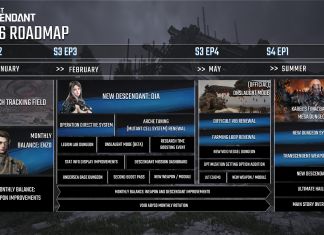

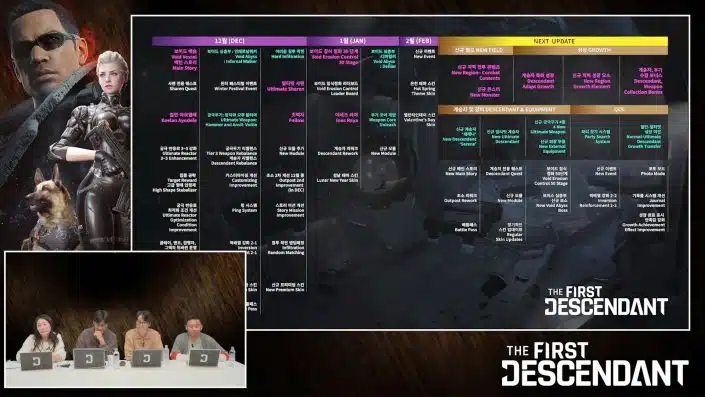
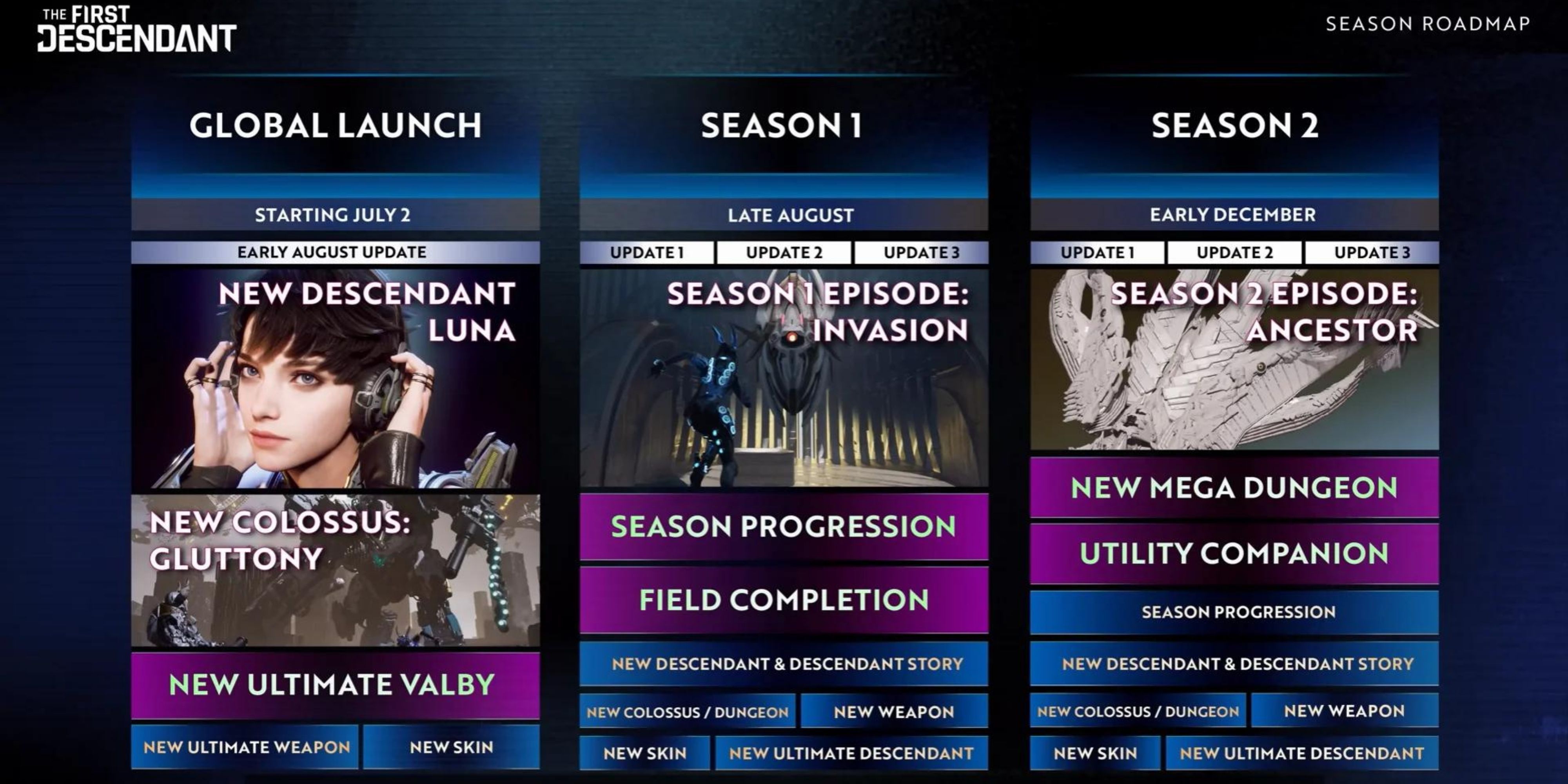
The First Descendant Shares 2026 Roadmap Following December Update The First Descendant 2026 Roadmap 324x235 . The First Descendant Unveils New Character New Dungeon And Roadmap The First Descendant Roadmap March April 2026 . The First Descendant Player Count And Steam Chart Performance August 2024 1x.webp. The First Descendant Roadmap 2025 The First Descendant Roadmap Uebersicht 705x397 .webp. Season Roadmap For The First Descendant The First Descendant Roadmap Post



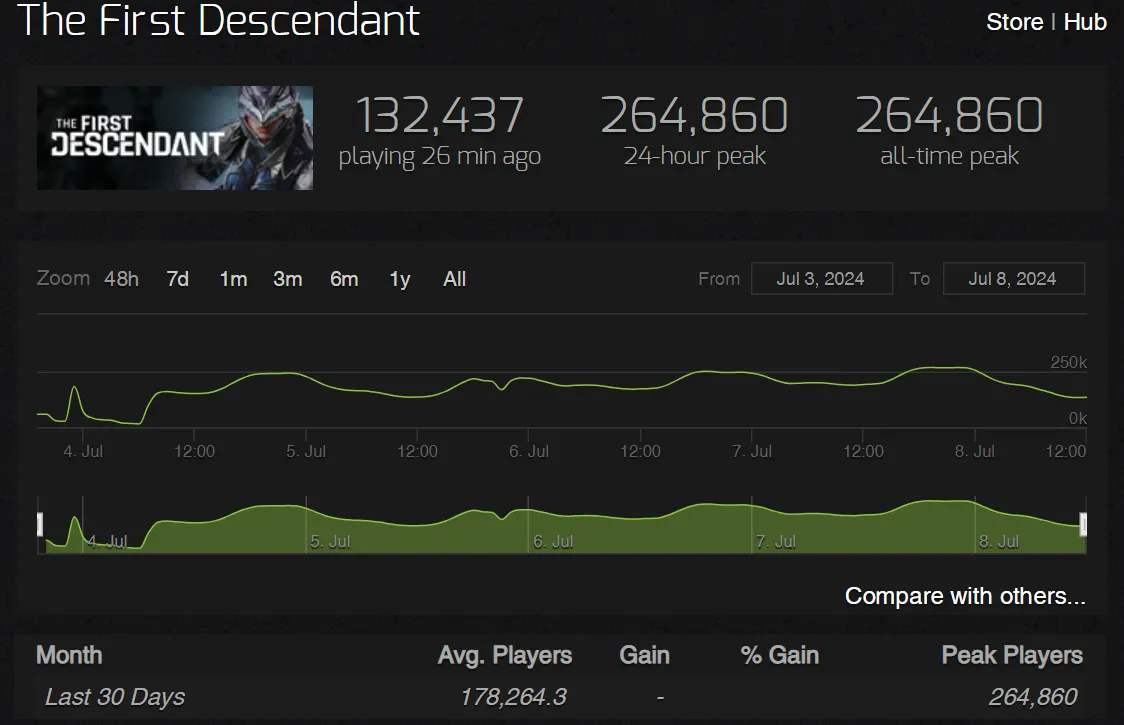
The First Descendant Steam Players Drop By 87 In The Three Months The First Descendant Steam Db Data 550x309 . The First Descendant Tops Steam Charts With Naraka Bladepoint Rising The First Descendant Tops Steam Charts Naraka Bladepoint . The First Descendant Took First Place In The Weekly Steam Chart App2top The First Descendant Took First Place In The Weekly Steam Chart . The First Descendant Steam Charts . The First Descendant Tops Steam Charts With Naraka Bladepoint Rising Steam July9
The First Descendant Steam Beta App 2074930 Steam Charts SteamDB Library 600x900 2x . Game Charts Detail The First Descendant Header . The First Descendant Player Count And Steam Chart Performance 1x.webp. The First Descendant Tier List Mixcollage 04 Dec 2024 08 57 Am 3503 . The First Descendant Steam Charts SteamDB Header



The First Descendant Steam Charts SteamDB Library 600x900 2x . The First Descendant Steam Charts SteamDB Library Header 2x . The First Descendant Live Player Count Steam Charts Header Alt Assets 3 . The First Descendant Steam Charts SteamDB Hero Capsule . The First Descendant Steam Charts SteamDB Capsule 616x353
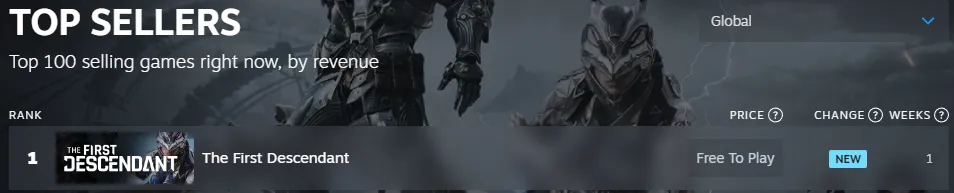



The First Descendant Player Count And Steam Chart Performance August 2024 1x.webp. The First Descendant Steam Charts SteamDB Capsule 231x87 . The First Descendant SteamSpy All The Data And Stats About Steam Games Header . The First Descendant Steam Charts SteamDB Library Hero . The First Descendant Roadmap Reveals Ultimate Yujin Grim Reaper And The First Descendant January 2026 Update Guide Breach Tracking Enzo Rework Weapon Buffs Events And More Cover 780x439




The First Descendant 2026 Roadmap Includes New Descendant Dia Ultimate Bbcbfc18 D0e3 4cfc B0bd . The First Descendant Steam Charts SteamDB Header . The First Descendant S Early 2026 Roadmap Focuses More On Fine Tuning 136735 . The First Descendant Unveils First Half 2026 Roadmap Ultimate Yujin Key Art 1 . The First Descendant 2026 Roadmap Includes New Descendant Dia Ultimate Ba4f5e4e B041 467f 8d56


The First Descendant 2026 Tfd Yujin Dungeon . The First Descendant On Steam 200fx200f. Commencer Ou Reprendre Le Jeu En 2026 The First Descendant YouTube . The Absolute State Of The First Descendant In 2026 YouTube . Steam Beta Test Details Guide The First Descendant Final Technical