Navigating the vast library of Steam can feel overwhelming for any gamer, especially those balancing life's demands. Understanding "do Steam games recommended" goes beyond simple suggestions; it's about deciphering the intricate algorithms and community-driven insights that shape your personalized gaming experience. This article delves into how Steam's recommendation engine identifies titles you might love, from popular blockbusters to hidden indie gems, ensuring you maximize your precious gaming time. We'll explore the factors influencing these suggestions, whether it's your playtime, genre preferences, or friends' activities, and equip you with the knowledge to fine-tune your recommendations. Discovering new, relevant games without endless searching can transform your gaming sessions, making every moment count and connecting you with the perfect next adventure. This guide offers practical tips for busy adults to leverage Steam's powerful tools efficiently, helping you always find a game that truly resonates with your interests and available time, streamlining your discovery process.
How accurate are Steam's game recommendations for new players?
For new players, Steam's recommendations start by leveraging broad popularity data and genre tags from games you initially browse or purchase. While not immediately hyper-personalized, the system quickly learns from your playtime, wishlists, and even game refunds, becoming significantly more accurate after a few hours of interaction and a couple of game purchases. The more you engage, the better it gets at understanding your unique taste.
Can I manually influence my Steam recommendations beyond playing games?
Absolutely! Beyond playing, you can actively shape your recommendations. Rate games you've played with "thumbs up" or "thumbs down," follow specific curators whose tastes align with yours, explore game tags that appeal to you, and add games to your wishlist. Regularly browsing different genres and dismissing unwanted suggestions also provides valuable feedback to the algorithm, helping it refine future recommendations.
Do game sales and bundles impact what Steam recommends?
Yes, significantly. Steam often features games on sale or in bundles prominently, and if you've shown a history of purchasing discounted titles, the algorithm will lean towards recommending more sale items. This is particularly useful for budget-conscious gamers looking to expand their library without breaking the bank, as Steam recognizes value-oriented buying patterns.
Why do I sometimes see games Steam previously recommended that I ignored?
Steam's algorithm might re-recommend games for several reasons. It could be due to a major update for that game, a new all-time low sale price, increased popularity among your friends, or a broader community trend that brings it back into relevance. The system attempts to ensure you don't miss out on a potentially great fit, especially if external factors change its appeal.
How does Steam prevent recommending games that are clearly not for me?
Steam employs various filters and negative feedback loops. If you consistently ignore a certain genre, mark games as "not interested," or quickly refund titles, the algorithm learns to deprioritize similar content. User reviews also contribute; games with very mixed or negative reviews, especially from users with similar playstyles, are less likely to be pushed aggressively.
Is there a way to see what games Steam recommends to my friends?
While you can't directly view *all* of your friends' personalized recommendation queues, you can see what games they are currently playing, have recently played, or have wishlisted. Steam also highlights games popular among your friends on your store page. Some third-party tools or shared "discovery queues" among friends can give you a peek into their preferences indirectly.
What's the best way to find niche or indie games Steam might overlook?
For niche or indie games, venture beyond the main recommendation feed. Explore Steam's "Discovery Queue" daily, use the advanced search filters to combine specific tags (e.g., "pixel graphics" + "cozy" + "strategy"), browse curator pages focused on indie titles, and check community hubs. Engaged communities and specific tags are often the best pathways to unearthing hidden gems that fit unique tastes.
Are you constantly scrolling through Steam, overwhelmed by the sheer number of games available, wondering, "do Steam games recommended to me actually matter?" If you're like the average US gamer, around 36 years old, you're balancing a career, family, and life's endless demands. Your gaming time is precious, a chance to relax, connect with friends, or hone a new skill. The last thing you need is to waste those limited hours sifting through irrelevant suggestions or buying a game that doesn't click. We've all been there: a quick 30-minute break turns into 15 minutes of trying to find something to play. The good news is, Steam’s recommendation engine is more powerful than you might think, designed to cut through the noise and deliver titles you'll genuinely enjoy. This comprehensive guide will demystify how Steam makes its suggestions, empowering you to fine-tune your feed and discover your next favorite game effortlessly. We'll explore everything from algorithms to community influence, ensuring your valuable gaming moments are spent playing, not searching. With 87% of US gamers regularly engaging with their hobby, often for 10 or more hours a week, optimizing game discovery is more crucial than ever.
What Factors Influence How Steam Recommends Games to You?
Steam's recommendation engine is a sophisticated blend of data points, much like a seasoned gamer learning your specific tastes over time. The system constantly analyzes various aspects of your activity to present you with relevant titles. Primarily, your playtime and game ownership are huge indicators. If you've sunk hundreds of hours into open-world RPGs, Steam takes note, suggesting similar adventures. Conversely, if you rarely touch competitive shooters, those are less likely to appear prominently.
Another significant factor is your genre and tag preferences. Every game on Steam is tagged with descriptive keywords like 'RPG,' 'Strategy,' 'Indie,' 'Cozy,' or 'Multiplayer.' By engaging with games sharing specific tags, you signal your interests. The system also considers games you've wishlisted or followed, direct declarations of your intent to play. User reviews play a critical role too. Games with overwhelmingly positive reviews, especially from players with similar tastes to yours, are often given a boost in visibility. For the average gamer juggling work and life, understanding these inputs means you can subtly guide the algorithm towards the experiences you truly want.
Beyond your direct interaction, Steam observes broader trends. Popularity among your friends, community-wide sales data, and even the engagement with specific curators can subtly shape your feed. This month, for instance, we've seen a surge in recommendations for cozy simulation games, reflecting a general trend among US gamers seeking stress relief and social connection after long days. The goal of "do Steam games recommended" isn't just about showing you *any* game; it's about showing you the *right* game, quickly and efficiently.
How Can I Improve My Steam Game Recommendations for Better Discoveries?
Fine-tuning your Steam recommendations is an active process that puts you in the driver's seat. First, be diligent with the "Not Interested" button on games you genuinely dislike or have no intention of playing. This directly tells Steam what to avoid. Second, provide concise reviews for games you've played, even a simple thumbs up or down, and add a few words explaining why. These interactions are gold for the algorithm.
Third, regularly browse the Steam Store and Discovery Queue. Engaging with different genres or tags, even if you don't buy, shows interest. Add games to your wishlist if they even slightly pique your curiosity. The more data points you provide, the smarter Steam becomes. For gamers seeking new ways to optimize their experience, consider following Steam Curators whose tastes align with yours; their recommendations can often unearth niche titles the main algorithm might miss. By being proactive, you transform a passive suggestion system into a powerful, personalized discovery tool, ensuring that your valuable gaming moments are spent on truly engaging content.
Do Steam Game Recommendations Really Work for Busy Adult Gamers?
Absolutely, when properly leveraged, Steam game recommendations are a powerful tool for busy adult gamers. With only a few hours a week to dedicate to gaming, choosing the right title is crucial. Steam's system helps filter out the noise, presenting games that are more likely to align with your limited time, preferred genres (like quick pick-up-and-play indies or deep story-driven experiences you can chip away at), and even price points. For many, the challenge isn't finding *a* game, but finding the *right* game that respects their time and budget. The algorithm, by learning from your habits, significantly reduces the mental load of game discovery.
Think about it: the average US gamer spends over 10 hours gaming weekly. If even 10% of that is spent searching, that's a whole hour lost. Steam's engine aims to minimize this by suggesting games based on your past engagement, making it easier to jump straight into the fun. It’s about value for money and value for time, pain points for many adults. For example, if you tend to play games with strong multiplayer elements to connect with friends after work, the system will prioritize those, helping you maintain those social connections that are so important.
Why Do My Friends' Activities Impact My Steam Game Suggestions?
Your friends' activities are a surprisingly strong signal for Steam's recommendation engine because shared experiences are a cornerstone of modern gaming. When your friends play, review, or wishlist certain games, Steam takes note, especially if you have similar playstyles or genre preferences. This is based on the premise that people with similar social circles often have overlapping interests. If several friends are diving deep into a new co-op survival game, there's a good chance you might enjoy it too, particularly if you appreciate social gaming trends like those seen in Discord communities.
This social influence isn't just about what's popular; it's about connecting you to potential multiplayer opportunities or games you can discuss with your circle. Steam understands that gaming is often a social activity, and recommending titles your friends are already invested in fosters community and encourages shared play. It’s an organic way for the platform to suggest games that could enhance your social gaming experience, aligning with the trend of US gamers valuing online friendships and collective play.
Are There Any Hidden Gems Steam Might Not Recommend Automatically?
While Steam's algorithm is smart, it isn't perfect, and yes, it can sometimes miss out on recommending true hidden gems. The system often prioritizes games with significant player counts, positive reviews, or robust marketing campaigns. Smaller indie titles, experimental games, or those in niche genres with less initial traction might not always bubble up to your main feed, especially if you haven't explicitly engaged with very similar content.
To uncover these overlooked treasures, you need to be a bit more proactive. Explore the "New & Trending" section, delve into specific tags you enjoy, or browse the "Upcoming" releases. Often, some of the most innovative and satisfying experiences come from lesser-known developers. Consider exploring Steam's advanced search filters to combine unusual tags (e.g., "story-rich" and "pixel graphics") or check out dedicated indie game curator pages. These strategies empower you to dig deeper and find those unique titles that might just become your next obsession, providing immense value for money and a fresh experience.
How Do Game Tags and Categories Influence Steam's Recommendations?
Game tags and categories are the linguistic backbone of Steam's recommendation system. Every game is assigned multiple tags by developers and the community (e.g., "RPG," "Fantasy," "Open World," "Story Rich," "Crafting," "Psychological Horror"). These tags act as granular descriptors, allowing Steam to classify games and understand what elements you gravitate towards. When you play, wishlist, or even just browse games with certain tags, you're essentially telling the algorithm, "I like these types of experiences."
For instance, if you've spent hundreds of hours in games tagged "Base Building" and "Strategy," Steam will prioritize new releases or popular titles with those same tags. Categories, which are broader classifications like "Action" or "Adventure," provide a foundational layer, while tags offer the nuanced detail. Leveraging this knowledge means you can explore new tags yourself, broadening Steam's understanding of your preferences and helping it deliver even more precise game recommendations, cutting down on time spent sifting through irrelevant titles and ensuring that "do Steam games recommended" actually works for your specific interests.
What Are the Latest Trends in Steam's Recommendation Engine for 2026?
As of 2026, Steam's recommendation engine continues to evolve, incorporating more sophisticated machine learning and leveraging global gaming trends. We're seeing an increased emphasis on contextual recommendations, meaning the system tries to understand not just *what* you play, but *when* and *why*. For example, if you frequently play short, relaxing puzzle games late at night, Steam might prioritize similar titles during those hours, catering to specific mood-based gaming needs.
Another significant trend is the integration of more real-time data, including live player counts, current Twitch viewership for games, and even micro-trends within specific communities. This helps Steam react faster to viral hits or sudden surges in popularity. There's also a noticeable push towards recommending more **social and cozy games**, reflecting the widespread desire among US gamers for stress relief and connection, a trend that's been prominent this month. The goal is to provide a more dynamic and responsive recommendation feed that adapts not only to your individual profile but also to the ever-shifting landscape of the gaming world.
Can I Opt Out or Reset My Steam Game Recommendations?
While there isn't a single button to "opt out" of all recommendations, you have significant control over what appears in your feed. To effectively reset or heavily influence your recommendations, you can: 1. Actively use the "Not Interested" option on numerous games across various genres. This teaches the algorithm what to avoid. 2. Clear your Steam browser cache and cookies, sometimes offering a slight refresh. 3. Consciously engage with an entirely new set of genres and tags, wishlisting and playing games outside your usual scope. This will slowly but surely re-train the algorithm.
It's a gradual process rather than an instant reset. Think of it as guiding a friendly robot rather than flipping a switch. For gamers feeling stuck in a recommendation rut, a focused effort to interact with different types of games will eventually shift the algorithm's focus. This allows you to tailor your Steam experience to your current interests, addressing any past gaming phases that no longer align with your preferences.
How Do Steam Curators and Reviewers Affect Game Visibility?
Steam Curators and individual reviewers wield considerable influence over game visibility, especially for discerning gamers. Curators, often gaming enthusiasts or publications, offer curated lists and reviews that can spotlight games the main algorithm might overlook. By following a curator whose tastes align with yours, you essentially gain access to a trusted source of recommendations tailored by a human expert, not just an algorithm. This is incredibly valuable for finding niche titles or developers who prioritize specific game qualities.
Similarly, comprehensive user reviews, particularly those from players with many hours in a game or a history of helpful critiques, can significantly impact a game's perceived value and visibility. Positive, detailed reviews from the community act as social proof, often boosting a game's standing in recommendation queues, especially for those seeking games that offer solid value for money or cater to specific playstyles. Both curators and reviewers serve as vital human layers, adding depth and perspective to Steam's data-driven suggestions, making "do Steam games recommended" a more holistic experience.
What Role Do Sales and Discounts Play in Steam's Recommended Feed?
Sales and discounts play a massive role in what Steam recommends, often driving immediate visibility and purchase decisions. Steam knows that value for money is a major consideration for many gamers, especially those on a budget or balancing household expenses. During major seasonal sales like the Summer or Winter Sale, your recommended feed will be heavily populated with discounted titles, sometimes even pushing games you might not typically consider.
The algorithm also tracks your past purchasing behavior during sales. If you frequently pick up games when they're 50% off or more, Steam learns this and will prioritize showing you similar deals. Flash sales, daily deals, and publisher promotions all influence the dynamic nature of your recommendations. For the savvy gamer, understanding this means you can often wait for a favorite game to hit a specific price point, knowing Steam will likely highlight it when the time is right. This ensures that the games recommended aren't just appealing, but also financially accessible, making your limited gaming budget go further.
Conclusion
Understanding how "do Steam games recommended" operates empowers you, the busy gamer, to take control of your discovery process. From actively curating your preferences with reviews and wishlists to leveraging the insights of friends and curators, you can transform Steam from an overwhelming library into a finely tuned recommendation engine. This means less time searching and more time enjoying the relaxation, fun, and skill-building that gaming offers. Remember, every click, every play, every review refines your personal Steam experience, ensuring your precious gaming hours are spent on titles you genuinely love.
What's your biggest gaming challenge when looking for new titles? Comment below!
FAQ: Common Questions About Steam Recommendations
Is it possible to completely reset my Steam recommendations?
While there's no single "reset button," you can significantly influence your recommendations by clearing your browsing history, marking many games as "not interested," and actively engaging with new genres for a fresh start. Over time, the algorithm will adapt to your new inputs.
Do game developer promotions affect what Steam recommends?
Yes, developers can run promotions that boost their game's visibility within Steam's ecosystem. While the core algorithm still relies on player data, a well-timed promotion can increase a game's exposure, potentially leading to more recommendations if it resonates with an initial group of players.
How often should I check my Steam Discovery Queue?
Checking your Steam Discovery Queue daily or at least several times a week is highly recommended. Each completed queue provides the algorithm with valuable feedback, helping it learn your preferences faster and ensuring you don't miss out on fresh suggestions or time-sensitive deals.
Can my Steam recommendations be influenced by third-party sites?
Indirectly, yes. If you purchase games through Steam keys from third-party sites and redeem them on Steam, the playtime and ownership still feed into the recommendation engine. However, direct browsing activity on external sites does not directly influence Steam's internal algorithm.
What if Steam keeps recommending games I've already played elsewhere?
Steam's algorithm primarily tracks your *Steam* library and activity. If you've played a game on another platform (like Epic Games Store or a console), Steam won't know. To prevent redundant recommendations, you can mark those games as "not interested" or specifically mention in a review that you've already experienced it.
Understanding Steam's recommendation algorithm, Personalizing game discovery, Leveraging community reviews for game choices, Efficiently finding new games, Balancing gaming with life, Optimizing playtime value, Discovering hidden gems, Staying current without hype.
35



January 2026 S Top Selling New Steam Games Revealed 08418405 04a2 47eb B48b 1500x843 . Top 10 Most Wishlisted Games On Steam 2026 Deface Games Top 10 Most Wishlisted Games On Steam 2026 . Steam Next Fest February 2026 The 22 Best Game Demos The Best Steam Next Fest Demos 2026 The Punished Backlog Order 2 300x162 . The Most Played Games On Steam For 2026 So Far Cheat Code Central Most Played Games Steam 2026 2048x1167 . The Top 2026 Games By Steam Wishlists By Rhys Elliott Fc2aa87f 2277 4294 9e7b 1920x1080



15 Best PC Games Of 2026 So Far Ranked Vibe List The 15 Best PC Games Of 2026 So Far And The Studios Surprises And Steam Records Behind Them 768x429 . Top 10 Most Anticipated Games Of 2026 What To Watch Out For TVN GAMES IN 2026 . Steam Sales 2026 Calendar Full Dates Best CD Key Deals AllKeyShop Com All Steam Events 2026. Free Indie Steam Games You Should Play In 2026 Image. Rekomendasi Game Steam Spring Sale 2026 Wajib Beli Steam Awards 2025 Winners 1024x576
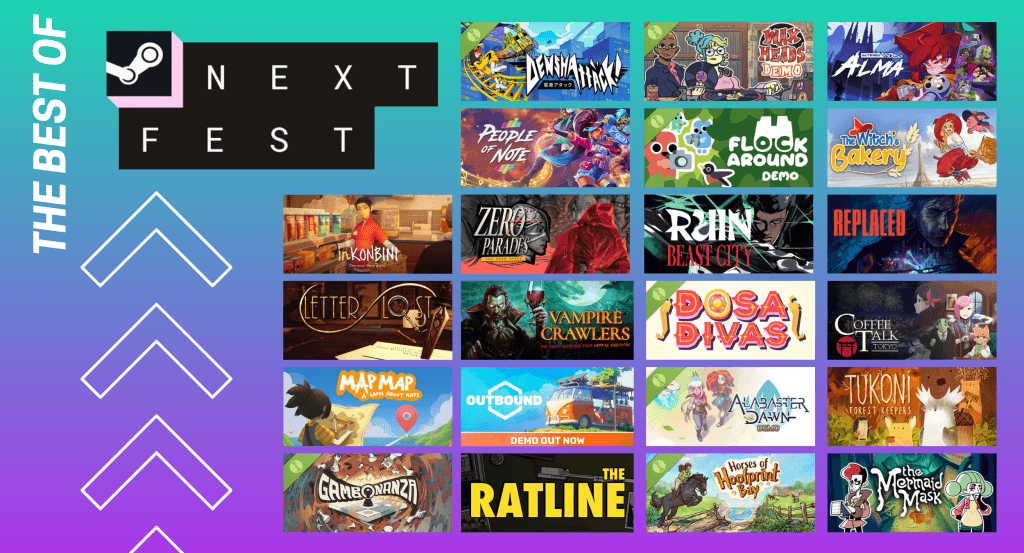


Best First Person Shooter Games On Steam 2026 Edition LRDev Games 1.Best RPG Games On Steam Complete Guide.webp. Steam Next Fest February 2026 The 22 Best Game Demos The Best Steam Next Fest Demos 2026 The Punished Backlog 1024x553 . I Tried These 8 Free Steam Games In 2026 I Didn T Expect Them To Be Contra Is Not Dead Yet - 2026 . Best Games On Steam A Selection Of Top Titles On The Platform Best Steam Games 768x430 . Best PC Games On Steam For 2026 GAMES GG Best PC Games On Steam For 2026 Ba807d9acd


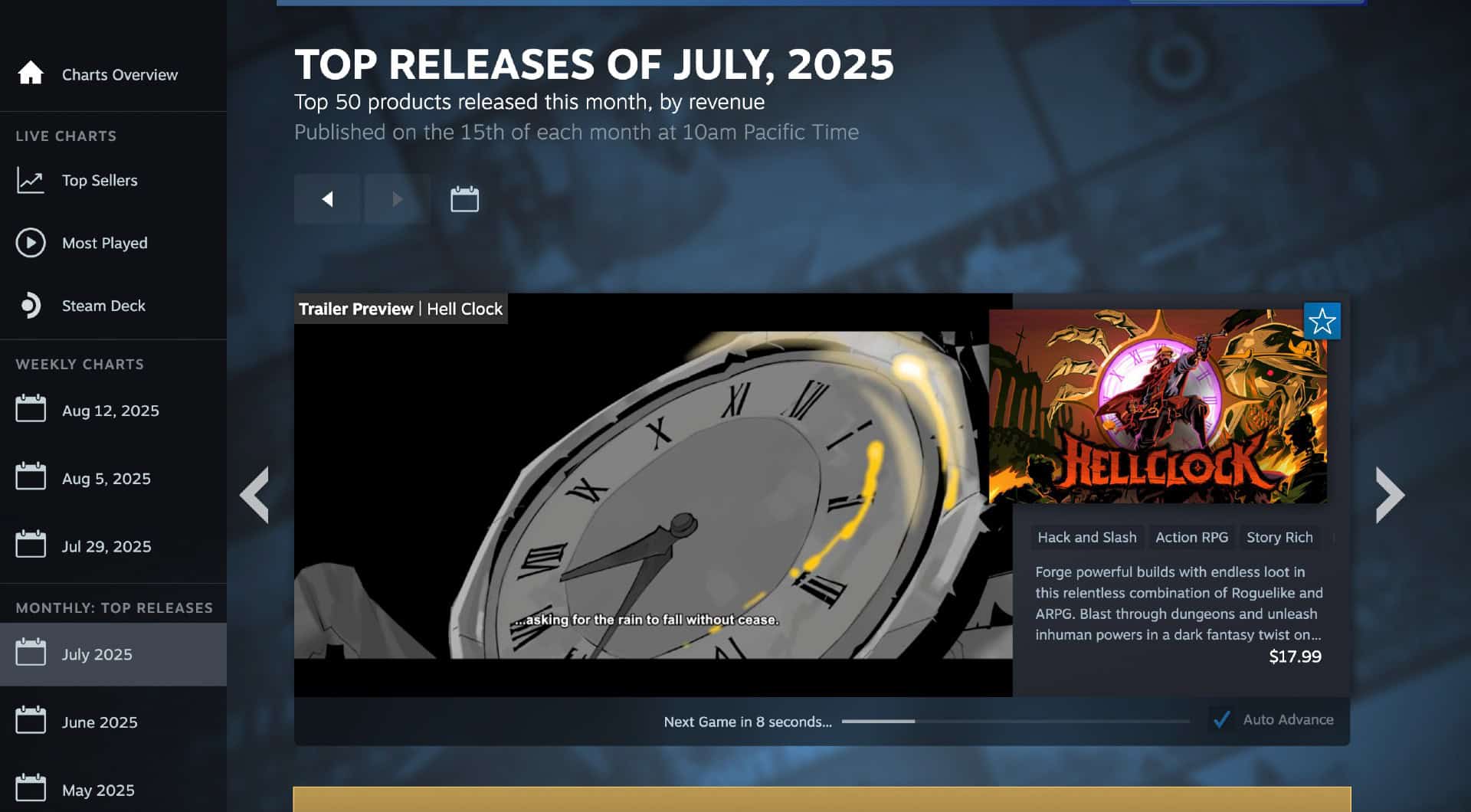
Steam Games You Absolutely Need To Play . Best Laptops For Steam Games In 2026 Latest Models WhalesDev Steam 2025 1920x949 . Best Steam Games For Kids Safe Fun Picks 2026 Edition 1.Best RPG Games On Steam.webp. Best Free Fighting Games On Steam Top 10 For 2026 Image. The Most Played Games On Steam For 2026 So Far Cheat Code Central Steam Top Games July



Best First Person Shooter Games On Steam 2026 Edition LRDev Games 1.Best Indie Multiplayer Games On Steam.webp. Best Free Fighting Games On Steam Top 10 For 2026 Image. The Best Free Steam Games For 2026 The Absolute Best Steam Games For 2026 Vg5m.640 . Best Free To Play Steam Games 2026 Image. 10 Most Wishlisted Strategy Games On Steam In 2026 Top 10 Most Wishlisted Strategy Games On Steam In 2026


Best Free Multiplayer Steam Games 2026 Top Picks Image. Steam Sales 2026 Here S The Schedule For The First Half Of The Year 1824cr953 . Best Free Steam Games For Low End PCs 2026 15 Great Picks For Weak Rigs Image. 20 Best Steam Games You Should Play In 2026 Beebom Steam Games Cover . Best 2026 Steam PC Specs Guide Top PC Steam Pc Games

Steam Next Fest 2026 And Beyond All The Dates Details And Everything. 2026 S First Steam Top Sellers Revealed Week 1 2026 Steam Top Sellers Revealed Week 1 1536x864 . Steam Next Fest 2026 And Beyond All The Dates Details And Everything. Best Steam Games Of 2026 Steambase Public. The Top 2026 Games By Steam Wishlists By Rhys Elliott 23c9e457 4e86 49e1 Af4e 1503x980