Creating a Roblox character model in 2026 is a journey through advanced digital art and technical optimization This guide provides a detailed walkthrough for anyone looking to master the art of avatar creation We focus on using modern tools like Blender and Roblox Studio to achieve professional results You will learn about settings optimization to ensure your models do not cause lag or ping spikes for players Our strategy includes using mechanical keyboards and gaming mice for the best creative experience We cover everything from the basic build to advanced rigging for RPG and Battle Royale games This tutorial is perfect for beginners and pro creators alike We discuss how to fix stuttering and FPS drops through proper mesh cleanup By following our tips you will be able to create stunning models that look great on PC and VR Join us as we explore the future of Roblox development today and learn how to build amazing avatars for your own unique games
how to make a roblox character model FAQ 2026 - 50+ Most Asked Questions Answered (Tips, Trick, Guide, How to, Bugs, Builds, Endgame) This ultimate living FAQ is updated for the latest 2026 patch to help you navigate the complex world of Roblox character modeling. Whether you are a beginner looking to build your first avatar or a pro dev optimizing for a MOBA we have the answers you need to succeed. ## Beginner QuestionsHow do I start making a Roblox model?
You should start by downloading Blender and Roblox Studio to your computer today. Most creators begin by modifying a basic R15 rig to learn how the different parts move together. Pro tip: use the Rig Builder plugin inside Studio for a fast start.Is making models for Roblox free?
Yes it is completely free to create your own models using open source software like Blender. You do not need a subscription to use Roblox Studio or to upload your creations to the platform.Do I need a high-end PC for modeling?
While a powerful PC helps you can create great models on a mid-range laptop as long as it has a dedicated GPU. Focus on optimizing your workflow to prevent lag during the rendering process.What is a mesh in Roblox?
A mesh is a 3D object made of vertices and faces that you import from external software. It allows for much more detail than the standard blocks and spheres found in the basic Studio. ## Rigging & AnimationWhat is rigging a character?
Rigging is the process of adding a skeleton to your 3D mesh so it can be animated. It is the bridge between a static statue and a living character that can run and jump.How many bones does an R15 rig have?
An R15 rig consists of fifteen main parts which provide a wide range of motion for your character. Mastering this setup is essential for creating high quality modern animations.Why is my rig falling apart in game?
This usually happens because the parts are not properly welded or the motor6D joints are missing. Use a rigging plugin to automatically generate the necessary connections for your model.Can I use AI to rig my character?
Yes there are new AI tools in 2026 that can automatically assign weights to your mesh. This saves hours of manual painting and is a great way for beginners to get professional results quickly. ## Texture & VisualsWhat are PBR textures?
PBR stands for Physically Based Rendering and it makes materials look realistic by reacting to light. It uses maps for roughness and metalness to simulate different surfaces like steel or wood.How do I fix blurry textures?
Ensure your textures are saved as PNG files and do not exceed the 1024 pixel limit. Using a single texture atlas can also help maintain clarity while improving game performance.What is UV unwrapping?
UV unwrapping is the process of flattening your 3D model into a 2D map so you can paint textures on it. Think of it like taking a globe and making it into a flat map of the world.Can I use vertex colors?
Yes vertex colors are a great way to add color without using a large texture file. This is perfect for low poly games where you want to maximize FPS and minimize loading times. ## Performance & LagWhy does my character cause FPS drops?
High polygon counts are the most common reason for performance issues in crowded servers. Always aim for the lowest poly count possible that still looks good to your players.How do I fix high ping with custom models?
Ping is usually affected by the number of objects the server has to track at once. Combine meshes where possible to reduce the total part count and lower the network load.What is a draw call?
A draw call is when the engine tells the GPU to render an object on the screen. Too many draw calls will slow down your game so use texture atlases to combine multiple objects.How do LODs help performance?
Level of Detail models swap high resolution meshes for lower ones when the player is far away. This is a pro strategy for maintaining 60 FPS in massive open world RPG games. ## Common Bugs & FixesWhy is my mesh invisible from one side?
This is caused by backface culling where the engine only renders the outside of a face. Flip your normals in Blender to ensure the correct side is facing the camera.How do I fix clipping clothing?
Use an Inner Cage mesh to define where clothing should sit on your character's body. This prevents the skin from poking through the fabric during complex animations.Why did my model import at the wrong scale?
Check your export settings in Blender and ensure the scale is set to 0.01 for Roblox. This ensures your character is the correct size relative to the standard game world.My character is stuck in the floor!
Ensure your PrimaryPart is set correctly and the HipHeight property in the Humanoid is adjusted. This tells the game engine exactly where the feet should meet the ground. ## Myth vs RealityMyth: More triangles always mean better models.
Reality: Optimization is the mark of a pro developer; a clean low-poly model often looks better and runs smoother than a messy high-poly one.Myth: You need to be a math genius to rig.
Reality: Modern plugins and AI tools handle most of the math for you now so you can focus on the creative side.Myth: Custom characters always cause lag.
Reality: If you follow the optimization tips in this guide your custom characters can be just as efficient as the default ones.Myth: You can't make money with modeling.
Reality: Top tier modelers earn significant Robux by selling items in the marketplace or working for popular studios.Myth: Blender is too hard for kids.
Reality: With the many tutorials available today even younger creators are mastering Blender and building incredible worlds. Still have questions? Check out our advanced rigging guide or join the developer forum to chat with the community!What is the best way to make a professional character model in 2026? This is the question I hear most often from aspiring developers who want to elevate their games to a high tier. Making your own custom avatar can feel like a massive hurdle when you first look at the interface. I remember feeling completely lost when I saw my first mesh deformation error inside the Roblox Studio environment. Do not worry because we are going to break every single step down into very easy and manageable parts. You have the creative spark and I have the technical roadmap to help you succeed in this journey.
Setting Up Your 2026 Workflow
Before we touch any vertices you need to ensure your local environment is ready for modern 2026 high fidelity modeling. You should always update your graphics drivers to ensure that the latest rendering features work correctly on your machine. Using a gaming mouse with adjustable DPI will make the fine vertex selection process much smoother and more accurate. Many professionals also prefer using a mechanical keyboard because the tactile feedback helps with rapid shortcut mapping during development. This setup helps prevent stuttering in your creative flow and allows you to maintain a high level of focus. A solid foundation is the secret to creating characters that can dominate in a MOBA or RPG setting.
The Core Modeling Process
Your journey begins in Blender 4.2 which is currently the gold standard for creating custom meshes for the Roblox platform. We use the updated R15 schema to ensure that your characters are compatible with all existing animations and accessories. You should aim for a balanced poly count to prevent any FPS drop when multiple players are on screen. High density meshes might look pretty but they often cause significant lag in intense Battle Royale game modes. Focus on clean geometry and avoid n-gons to ensure that your mesh deforms correctly during movement or emotes. This attention to detail separates the casual builders from the ranked pro developers in our community.
## Beginner / Core Concepts 1. **Q:** What software do I actually need to start making my first custom character model today? **A:** I get why this confuses so many people because there are dozens of different creative tools available online. You really only need the latest version of Roblox Studio and a professional modeling suite like Blender 4.2. It is also very helpful to have a reasoning model like o1-pro to help you debug your scripts. I suggest starting with very small projects so you do not get burned out by the massive complexity. You have totally got this if you just take it one small vertex at a time every day. Try setting up your workspace tonight and see how it feels to move a simple cube around. 2. **Q:** How do I make sure my model does not cause a huge lag spike for players? **A:** This one used to trip me up too when I was first trying to make high fidelity characters. The key is to keep your triangle count low while still maintaining the overall silhouette of your unique design. You can use the decimate modifier in Blender to reduce the complexity of your mesh without losing detail. Always check your model in a live server to see how it affects the overall ping of the game. Low poly models are usually the best choice for fast paced games like a Battle Royale or FPS. You will find that optimization is just as important as the actual artistic design of the character. 3. **Q:** Why does my model look so blurry when I import it into the Roblox Studio engine? **A:** I totally understand how frustrating it is when your hard work does not look crisp in the final product. This usually happens because the texture resolution is not optimized for the specific requirements of the Roblox platform engine. You should aim for a 1024 by 1024 texture size to balance visual clarity with performance for your users. Make sure you have baked your textures correctly so that the lighting interacts naturally with the surface of the model. I recommend using PBR materials to give your character a modern look that really stands out in games. Try re-importing with a higher bit rate and let me know if that fixes the blurry appearance. 4. **Q:** Can I create a character model using only a tablet or a mobile phone device? **A:** I get this question a lot from younger creators who do not have access to a powerful PC. While there are some basic mobile apps for 3D modeling they generally lack the precision needed for Roblox rigging. You really need a computer to handle the complex weight painting and bone mapping required for a professional avatar. If you are serious about this I recommend looking for a budget laptop that can run the Studio. Even a modest setup will allow you to learn the essential skills needed for a career in development. Do not let limited hardware stop your dreams but recognize the tools you will eventually need. ## Intermediate / Practical & Production 5. **Q:** How do I fix the weird stretching that happens when my character starts walking or jumping? **A:** This is a classic weight painting issue that happens to almost everyone during their first few rigging attempts. I used to spend hours trying to figure out why my characters arms looked like wet spaghetti noodles. You need to ensure that each vertex is assigned to the correct bone with the proper influence in Blender. Use the smoothing tool in the weight paint mode to create a more natural transition between the different joints. This prevents the mesh from collapsing or stretching in an unrealistic way when the animation tracks are playing. It takes practice to get it perfect so do not be too hard on yourself today. 6. **Q:** What is the best strategy for implementing Layered Clothing on a custom mesh character model? **A:** Layered Clothing is a game changer for customization but it requires a very specific setup called an Inner Cage. I remember how much I struggled with the cage mesh until I started using AI tools to help. You need to create a simplified version of your body mesh that sits just underneath the visible character skin. This allows the clothes to wrap around the body without clipping through the actual mesh of the character. It is a technical process but it adds so much value to your character in an RPG setting. Give it a try on a simple vest before you attempt a full suit of armor. 7. **Q:** How do I optimize my character for a competitive FPS game where frames per second matter? **A:** In a competitive environment like a First-Person Shooter every single millisecond of performance is absolutely vital for success. You should use Level of Detail or LOD models to ensure the engine only renders high detail up close. This technique significantly reduces the strain on the client and helps maintain a very stable and high frame rate. I also suggest using a single texture atlas instead of multiple small images to reduce the total draw calls. Your players will thank you for the smooth experience when they are trying to hit those difficult headshots. Optimization is the bridge between a good game and a truly great professional competitive experience. 8. **Q:** Why is my character model importing with inverted faces or weird black spots on the mesh? **A:** I get why this looks scary but it is usually just a simple issue with your mesh normals. This used to happen to me all the time when I was moving too fast in the software. In Blender you can select all faces and use the Recalculate Outside command to fix the orientation instantly. If the faces are pointing inward the engine will not render them correctly which causes those dark spots. It is a quick fix that will immediately improve the visual quality of your custom character models today. Always double check your normals before you export the final file to the Roblox Studio environment. 9. **Q:** What is the difference between R6 and R15 rigs for a modern 2026 Roblox experience? **A:** Choosing between R6 and R15 is a big decision that affects the movement and feel of your entire game. I personally love the nostalgia of R6 but R15 offers much more realistic movement with its fifteen individual joints. Most modern RPG and MMO games use R15 because it allows for sophisticated mesh deformation and Layered Clothing options. R6 is still great for retro style games or indie projects that want a very specific blocky aesthetic. I suggest starting with R15 if you want to use the latest features like dynamic heads or expressions. Think about your target audience and the type of gameplay you want to provide for them. 10. **Q:** How can I use AI to speed up the character creation process without losing my quality? **A:** This is such an exciting area because AI tools like Claude 4 are now helping with vertex optimization. I use reasoning models to help me generate efficient UV maps which used to take me several hours. You can also use AI to suggest color palettes or to help write scripts for custom character behaviors. However you should still do the core modeling and rigging by hand to ensure the highest artistic quality. AI is a powerful assistant that can handle the repetitive tasks while you focus on the creative vision. It is all about working smarter and using every tool available in your creative toolbox today. ## Advanced / Research & Frontier 2026 11. **Q:** How do I implement dynamic mesh deformation for characters that change shape during gameplay sessions? **A:** This is definitely advanced territory but it is what makes high-end 2026 games look absolutely incredible on the platform. I remember being blown away by the first time I saw a character actually build muscle or get injured. You need to use the DynamicMesh API to manipulate vertex positions in real-time based on the player statistics. This requires a deep understanding of scripting and how memory is managed within the Roblox game engine environment. It is a heavy task for the CPU so make sure you only update the mesh when necessary. Start with a small transformation effect and see how it impacts your server performance metrics. 12. **Q:** What are the best practices for creating characters that work perfectly in a VR environment? **A:** Designing for VR adds a whole new layer of complexity because the player can see your model from every angle. I found that standard rigging often looks broken when viewed through a headset with full six degrees of freedom. You need to ensure that the internal parts of the mesh are properly sealed to prevent players from seeing through. Using high resolution textures for the hands is also very important since they are always close to the camera. Make sure your character does not have any floating parts that might break the immersion for the player. VR is all about the details and making the player feel like they are truly there. 13. **Q:** How do I handle cross-platform optimization for mobile users while keeping high graphics for PC players? **A:** This is a challenge that even the biggest studios face when they are launching a new global game. I suggest using the automatic LOD system provided by Roblox but adding your own custom script for texture swaps. You can detect the hardware of the player and serve lower resolution textures to those on older mobile devices. This ensures that everyone has a stable experience regardless of the power of their specific gaming machine. It prevents lag for mobile users while allowing PC players with high-end GPUs to enjoy the full beauty. Balance is key to building a large and healthy player base for your upcoming game projects. 14. **Q:** Can I use neural texturing to create realistic skin and fabric for my character models in 2026? **A:** Neural texturing is the cutting edge of digital art and it is finally becoming accessible for individual indie developers. I have been experimenting with this recently and the results for skin pores and fabric weaves are truly mind-blowing. You essentially use a neural network to generate micro-details that would be impossible to paint by hand in time. This creates a level of realism that was previously only seen in high budget AAA titles on other platforms. You will need to bake these details into normal maps so the Roblox engine can render them efficiently. It is a great way to push the boundaries of what people expect from a Roblox experience. 15. **Q:** How do I integrate advanced facial animations and dynamic heads into my custom character rig? **A:** Dynamic heads are the future of social interaction in the metaverse and they require a very specific bone structure. I get why the FACS system seems intimidating because it involves dozens of different facial muscle movements to master. You need to map your character's face to the standard emotion set so it can use the built-in animation system. This allows your character to talk and show expressions that match the player's voice or camera input in real-time. It adds a huge amount of personality to your character and makes the world feel much more alive. Take your time with the mapping and your characters will truly come to life for everyone. ## Quick 2026 Human-Friendly Cheat-Sheet for This Topic - Always use Blender 4.2 for the best mesh compatibility with the modern Studio engine - Keep your character poly count under ten thousand triangles to avoid any FPS drops - Use 1024x1024 PBR textures for the perfect balance of visual quality and performance - Rig your characters using the R15 skeleton to support all modern animations and clothing - Check your mesh normals regularly to prevent black spots and inverted faces on import - Utilize AI reasoning models like Llama 4 to help optimize your rigging and scripts - Test your models on a mobile device early to ensure cross-platform performance is stable - You have got this so keep practicing every day and do not be afraid to failAdvanced Blender 4.2 workflow integration, Layered Clothing 2.0 implementation, AI-driven rigging with Llama 4 reasoning models, PBR texture optimization for high FPS, and 2026 VR avatar compatibility standards.
35
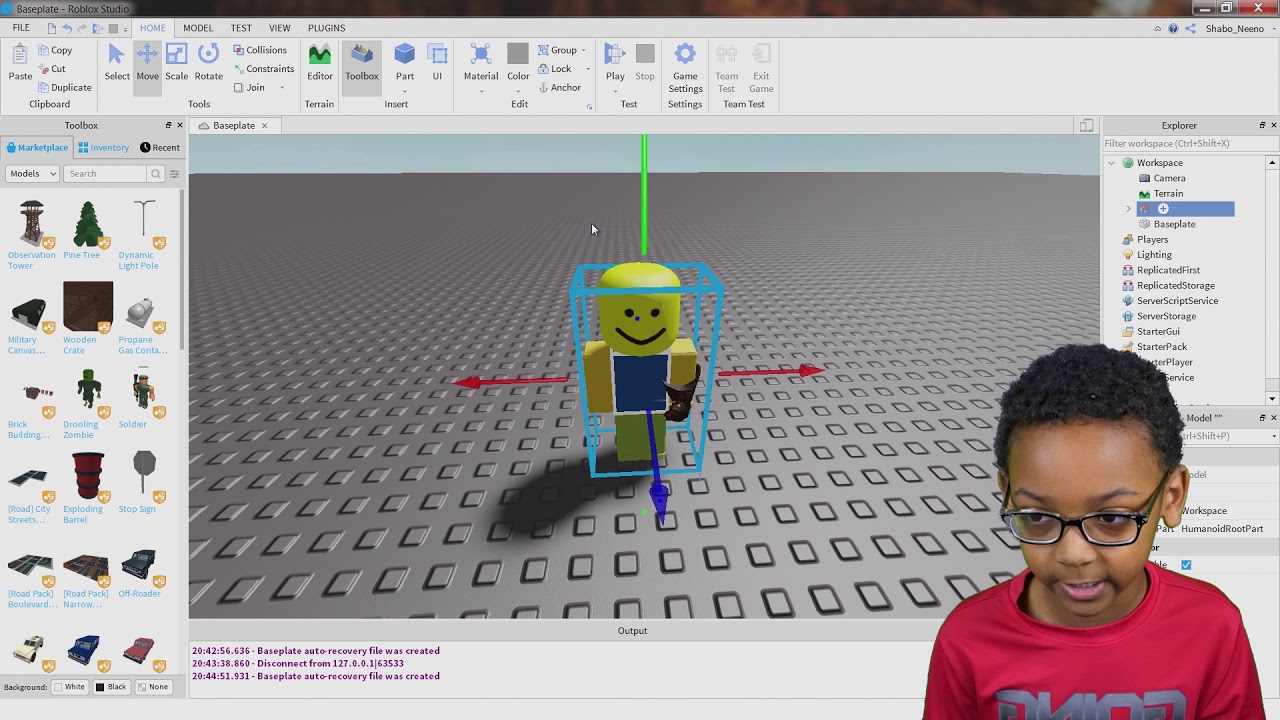
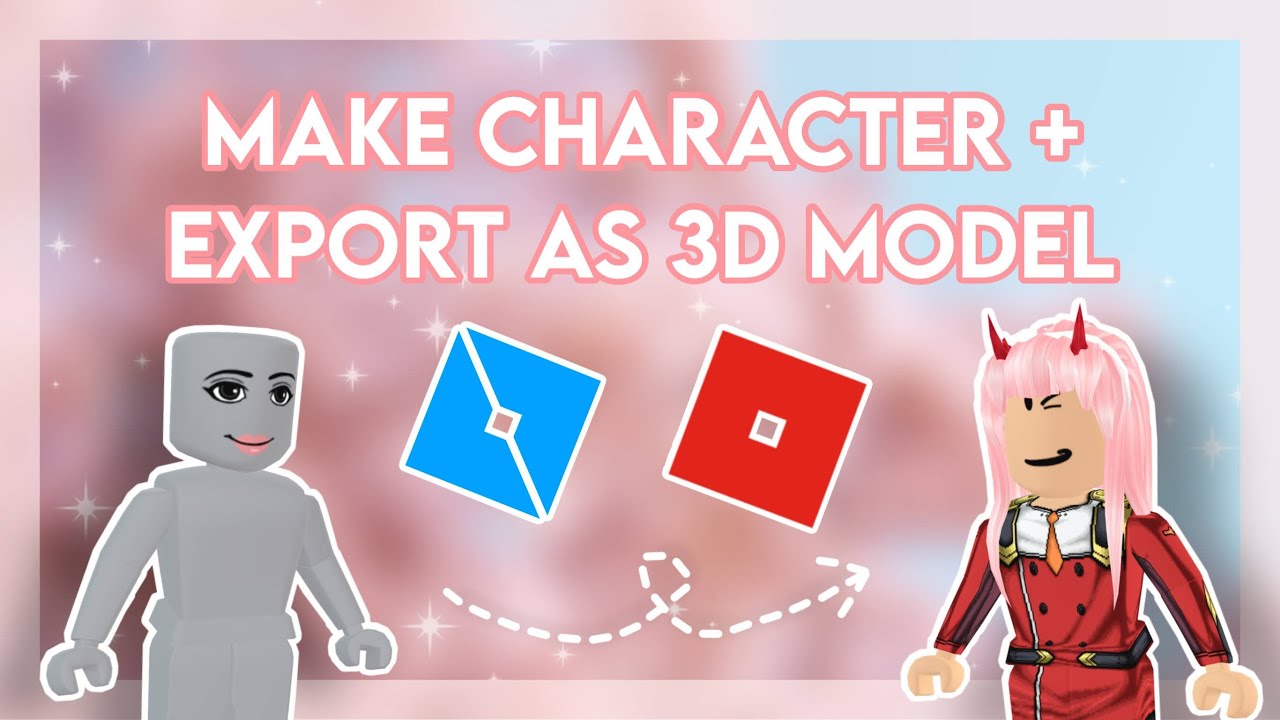


Roblox Character Creator The Ultimate 2026 Guide Roblox Character Creator Workflow Guide . How To Add Character Models To Roblox Studio Without Plugins YouTube . How To Make A Character In Roblox Studio And Export As 3D Model . How To 3D Model Roblox Characters Roblox Studio Blender YouTube . Roblox Character Creator The Ultimate 2026 Guide Roblox Character Creator Guide Cover


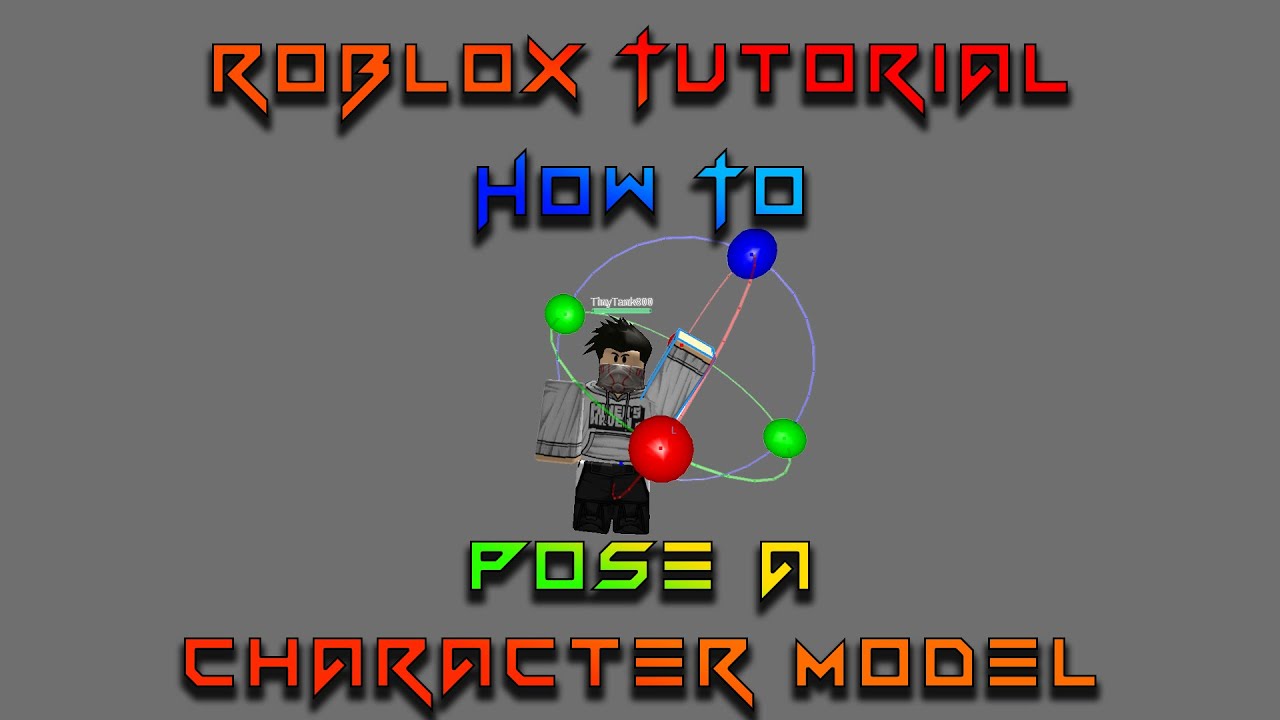
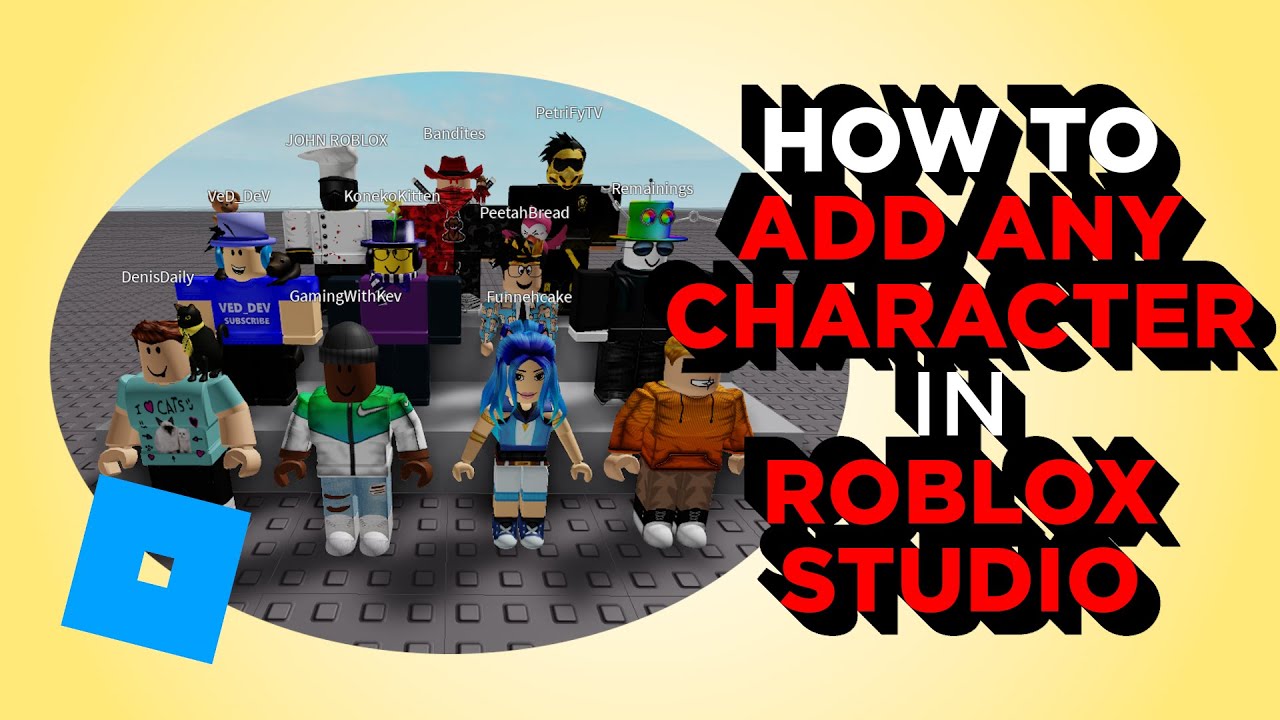

How To Make A Model In Roblox Studio YouTube . Roblox Character Model Qosachat . Roblox Tutorial How To Pose A Character Model YouTube . How To Add And Play As Any Character Model In Your Roblox Game Studio . How To Make All Players Spawn With A Custom Character In Roblox Studio Hqdefault
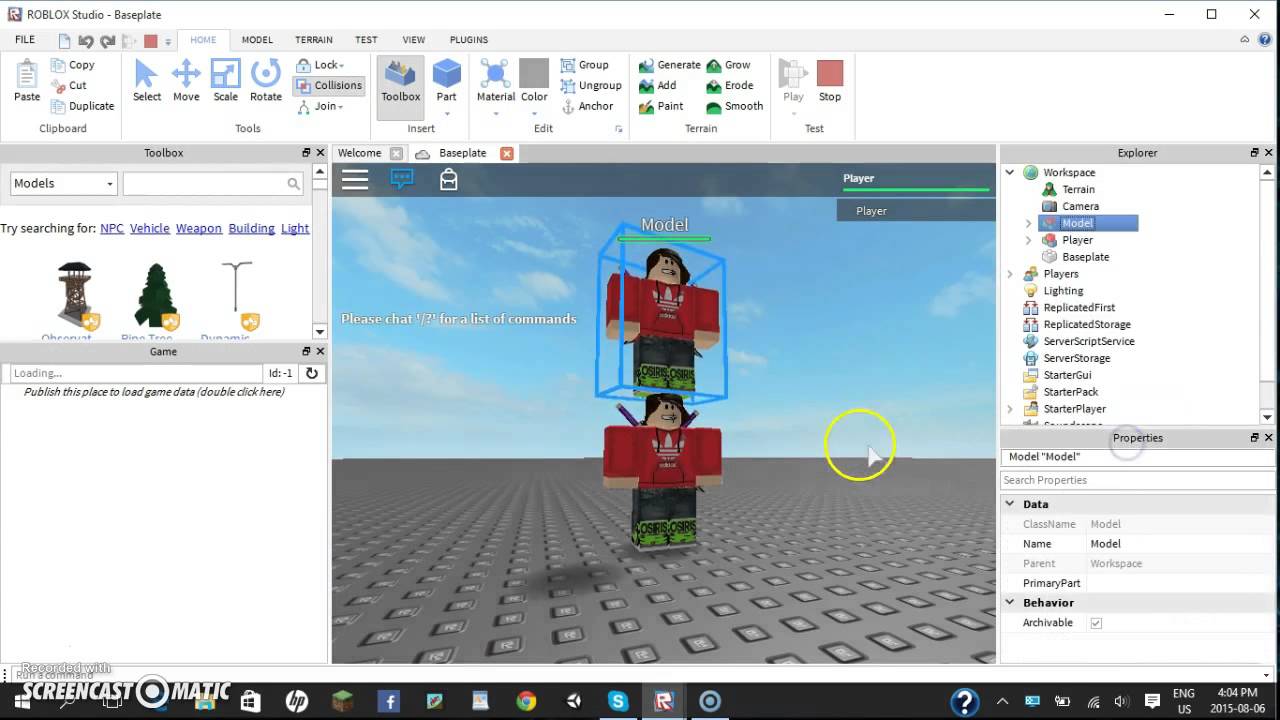

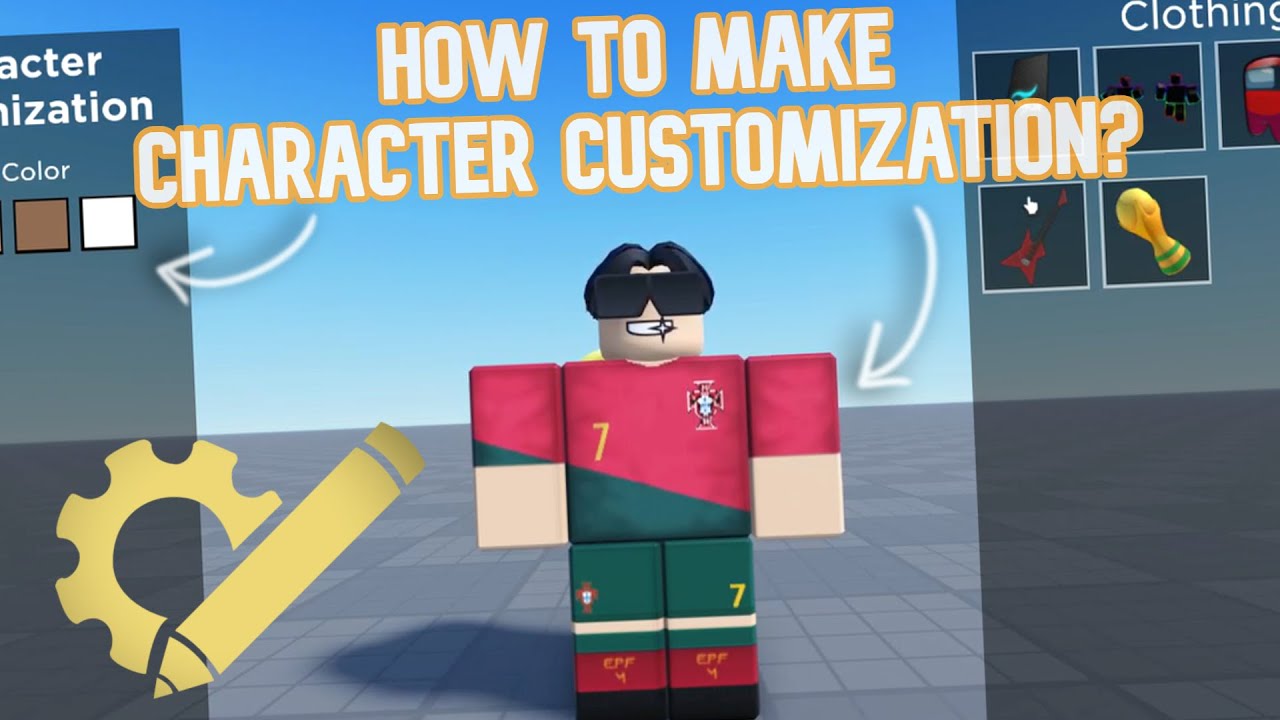
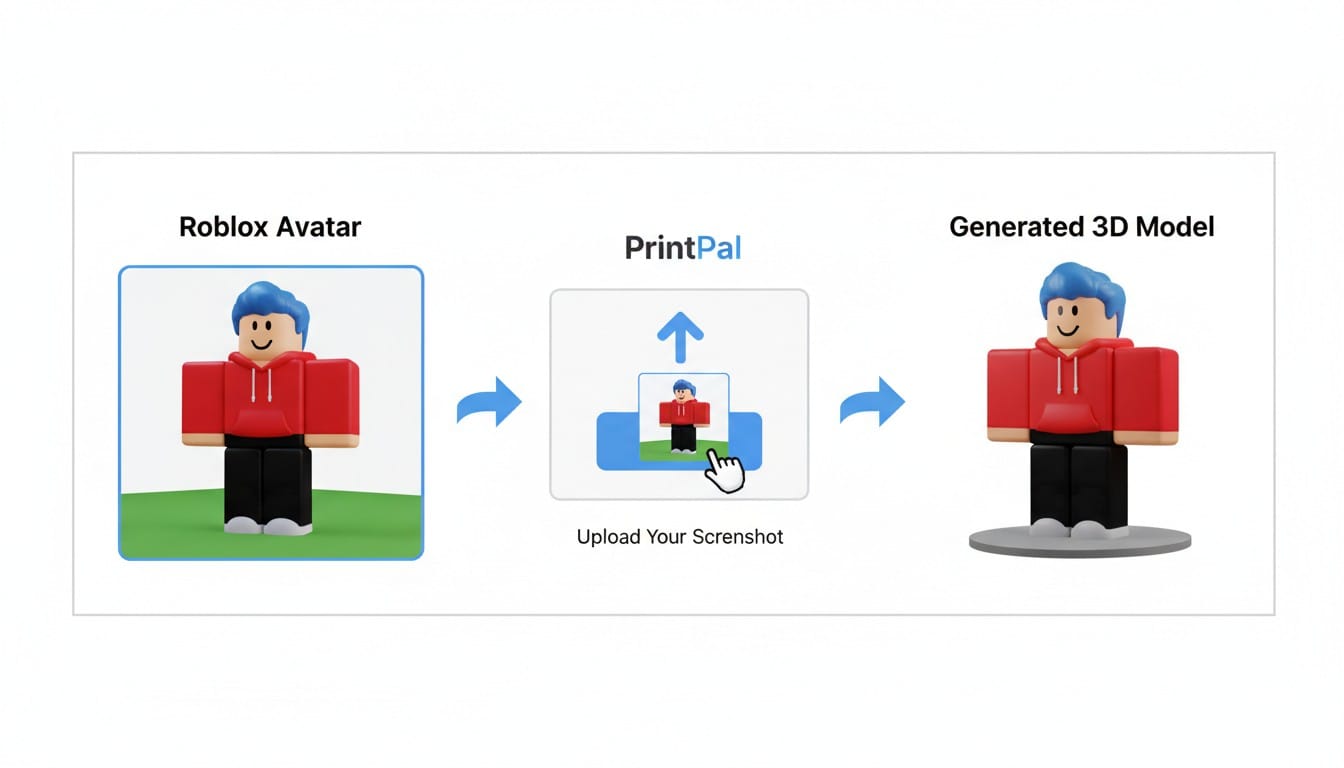

How To Make Your Roblox Character A Model And Post To Roblox YouTube . ROBLOX How To Create A Model Of Your Character YouTube . How To Customize Roblox Girl How To Make Roblox Avatars AYJQE . Create Custom Roblox 3D Models And 3D Print Your Avatar Image 04 12 . Mastering Roblox 3D Modelling How Can You Create Amazing Worlds Roblox Base Toys Set Low Poly 3d Model 14


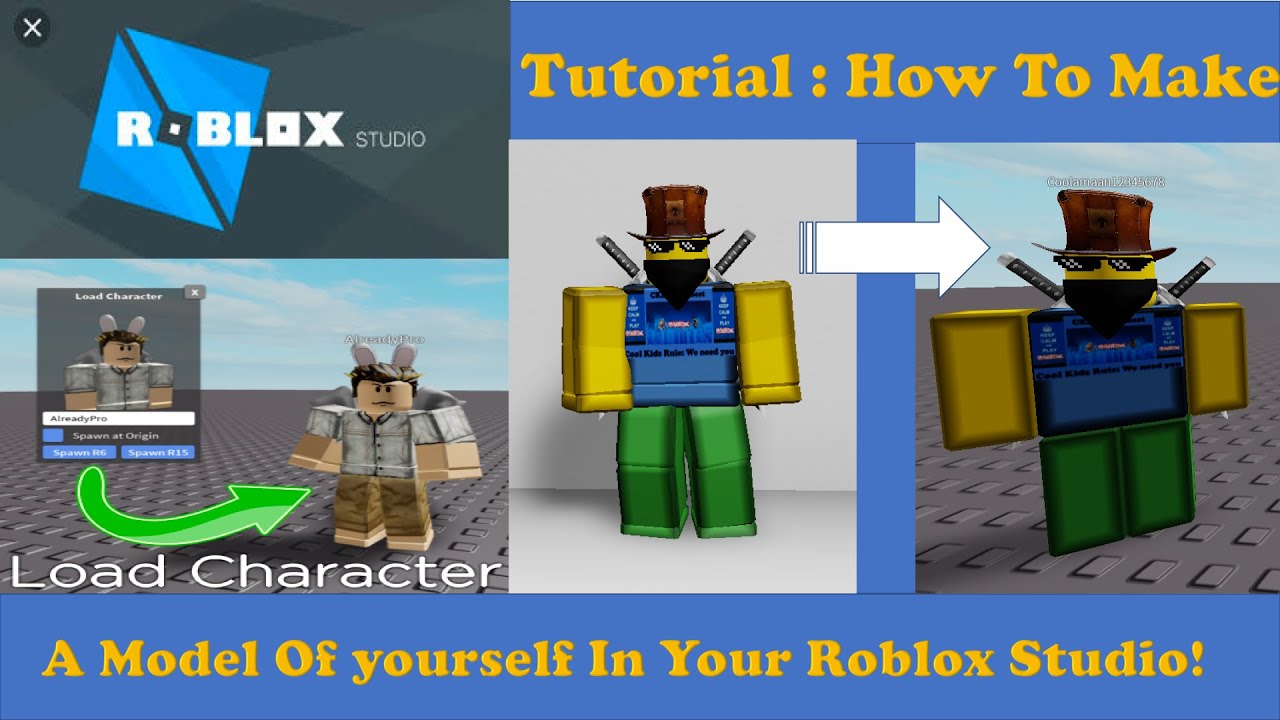

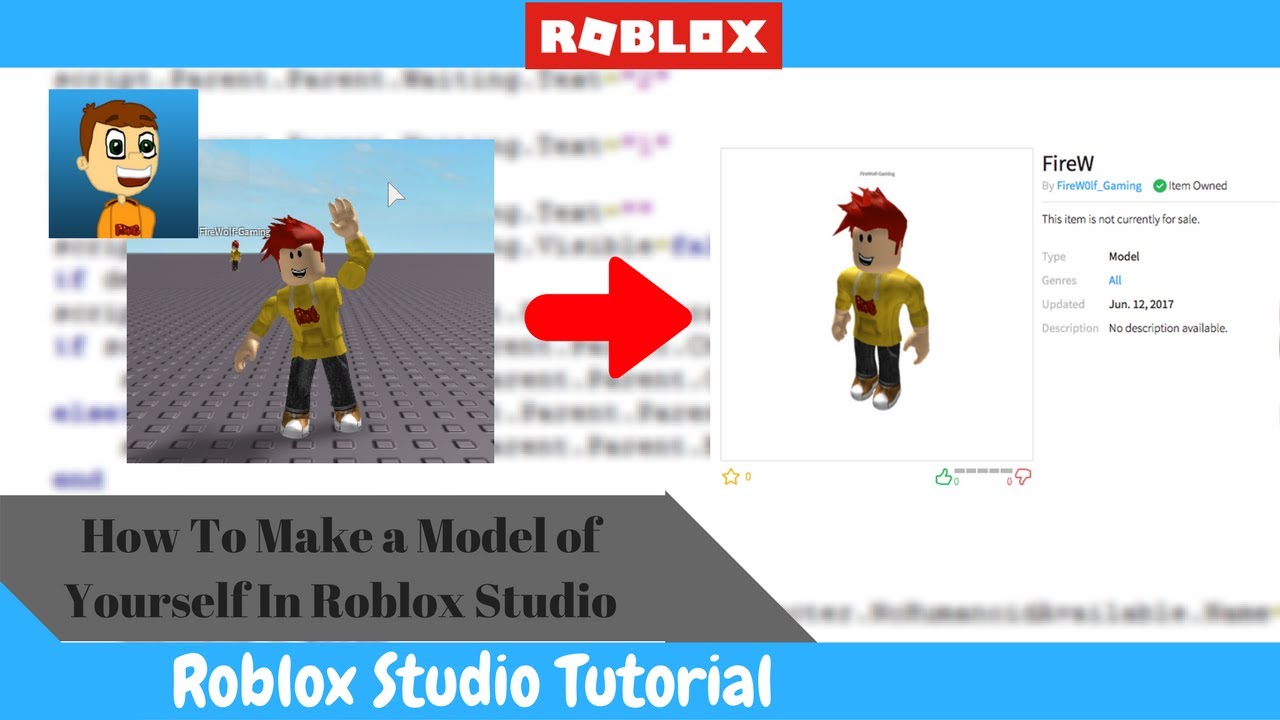
Create Your Dream Roblox World How To Create Roblox 3D Models Scr . How To Make A Custom Character In Roblox YouTube . TUTORIAL How To Make A Model Of YOURSELF In Roblox Studio SUPER EASY . Create Your Own Roblox Avatar . Roblox Model Maker Images YXYKU
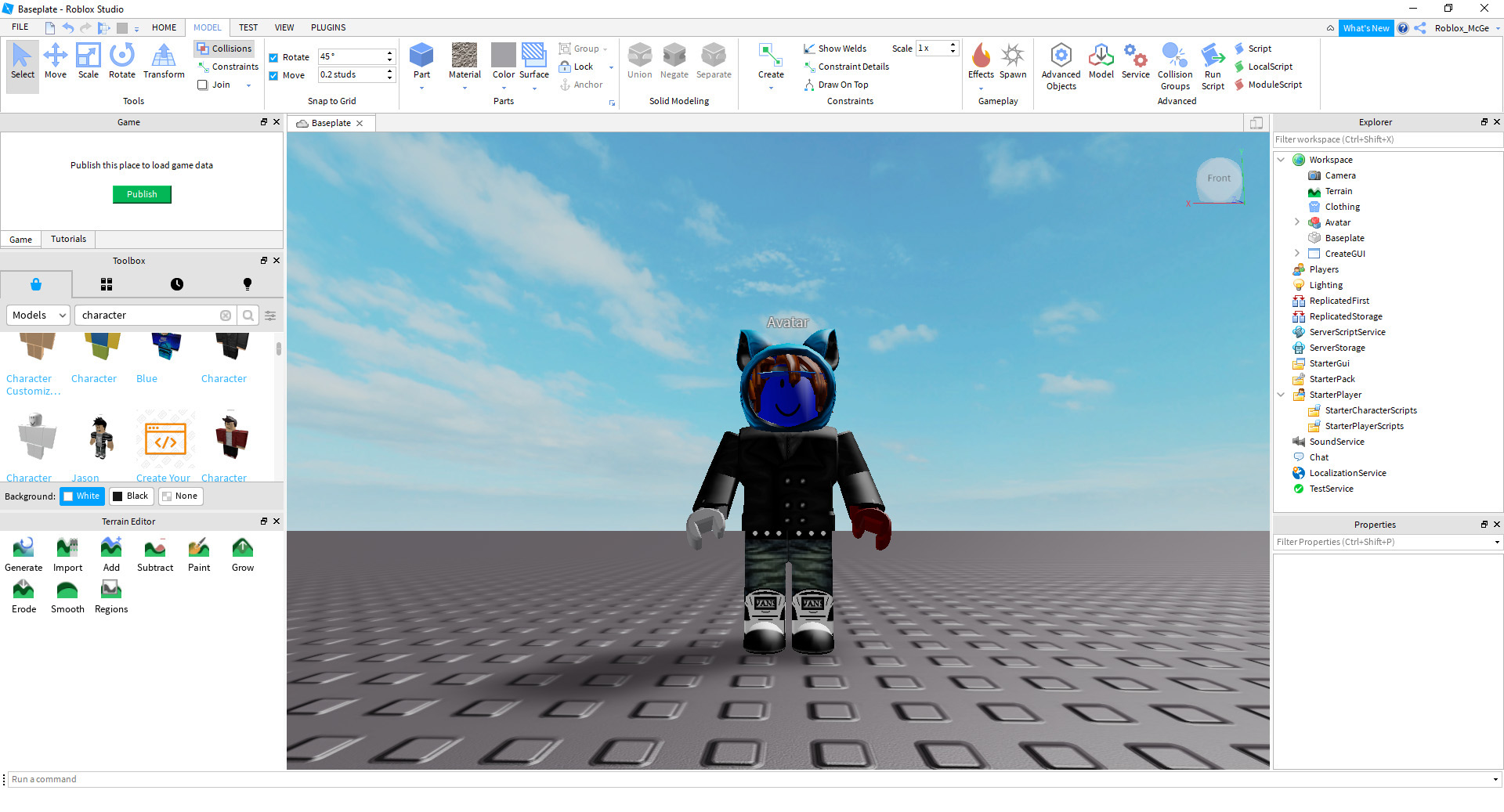


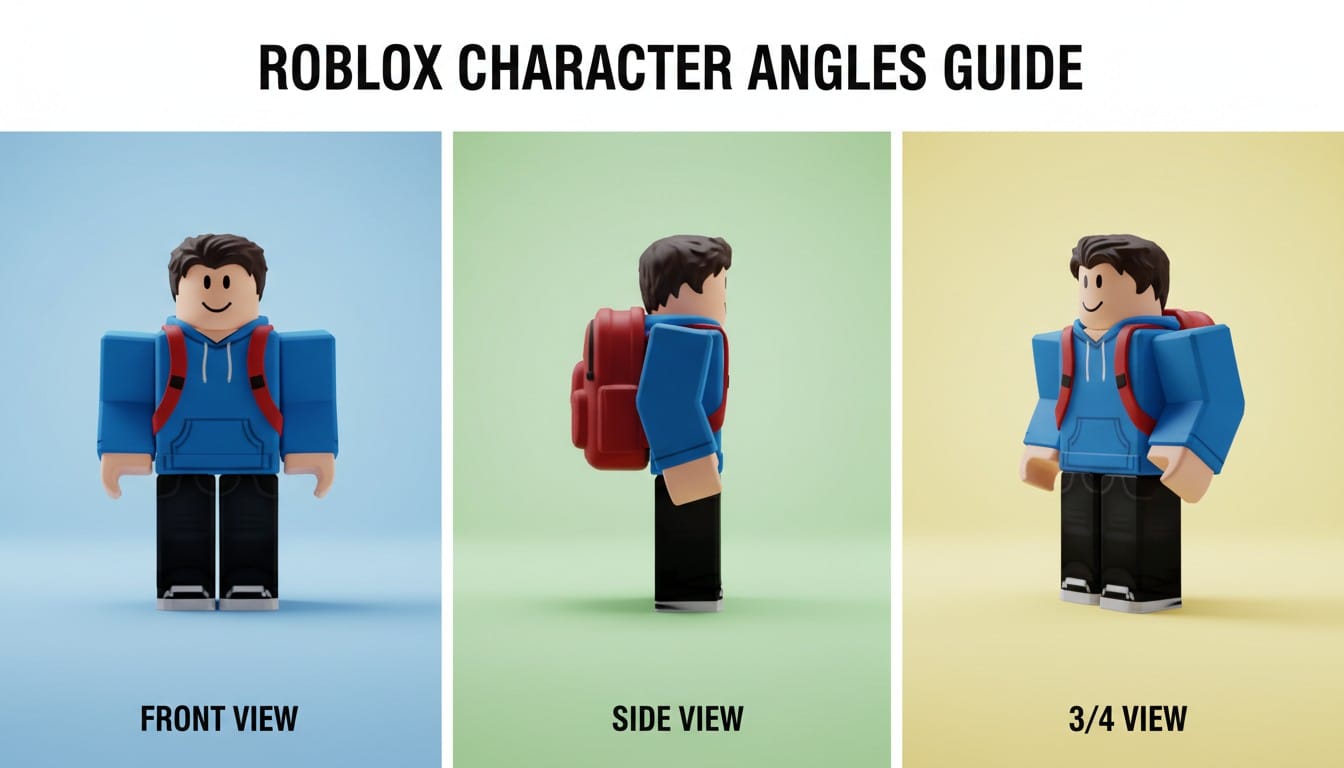
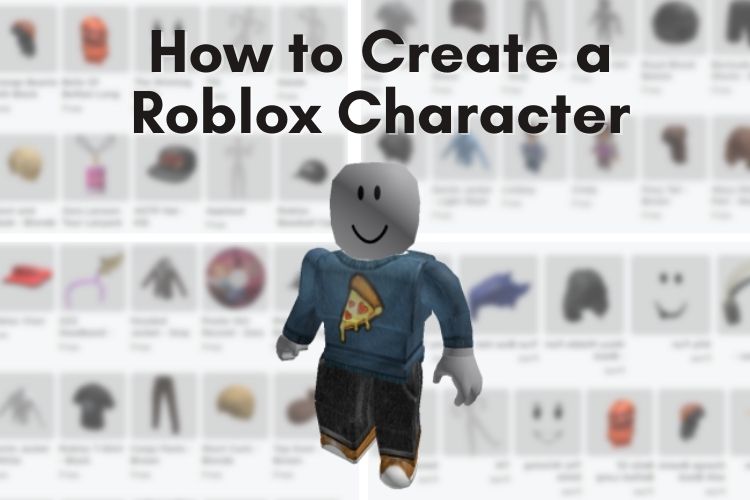
Transform Picture Into A Roblox Character Panaboost . How To Make Models On Roblox Studio 2025 YouTube . How To Make A Starter Character For Your Roblox Game Roblox Studio . Create Custom Roblox 3D Models And 3D Print Your Avatar Image 03 11 . Top 99 Custom Roblox Avatar Ang G Y B O Tr N M Ng How To Create A Roblox Character
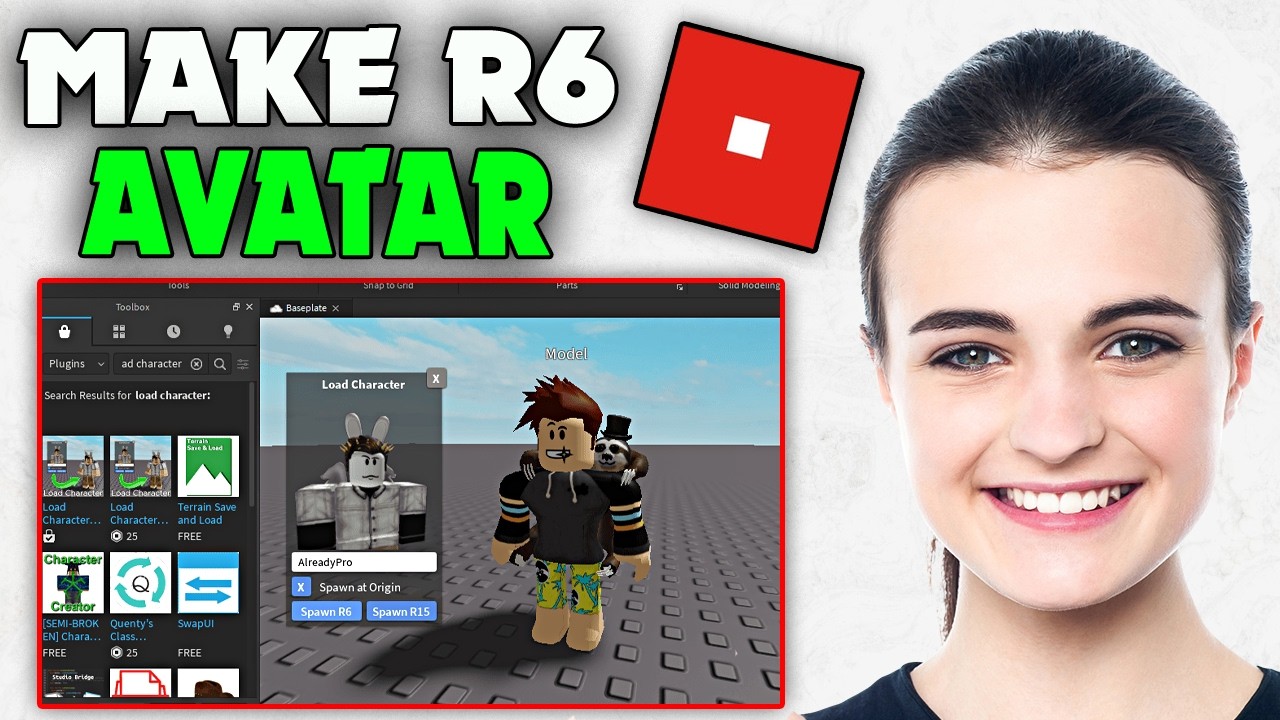
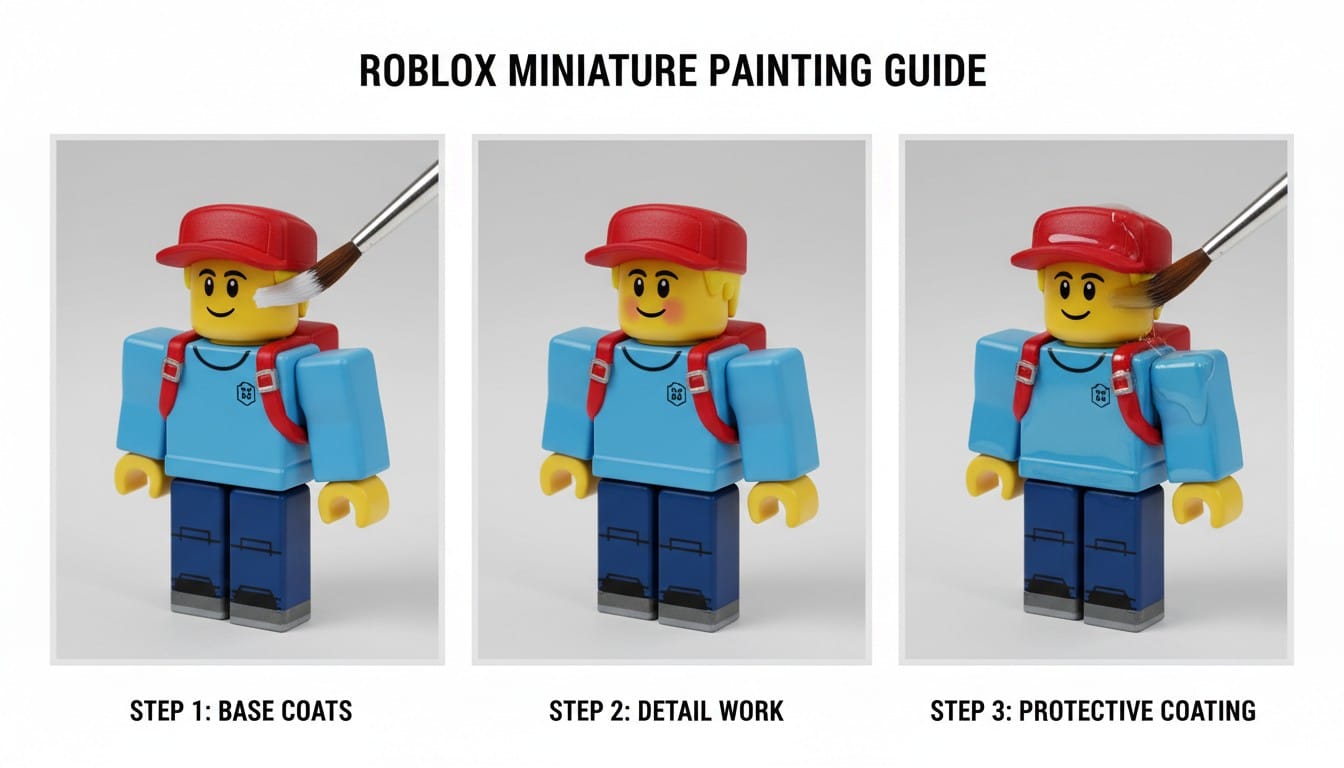

How To Make R6 Avatar In Roblox Studio 2026 YouTube . How To Make 3d Models For Roblox Studio 2026 Page 1 STLFinder How To Make Human Ized 3d Models Tutorial Example 2VaLgDrY 200 . Roblox Avatar Dolacici 2026 Image 3D Models Page 1 STLFinder Roblox Avatar D3qSmEbM 200 . Create Custom Roblox 3D Models And 3D Print Your Avatar Image 08 13 . Roblox Character Creator The Ultimate 2026 Guide Roblox Character Creator Roblox Support

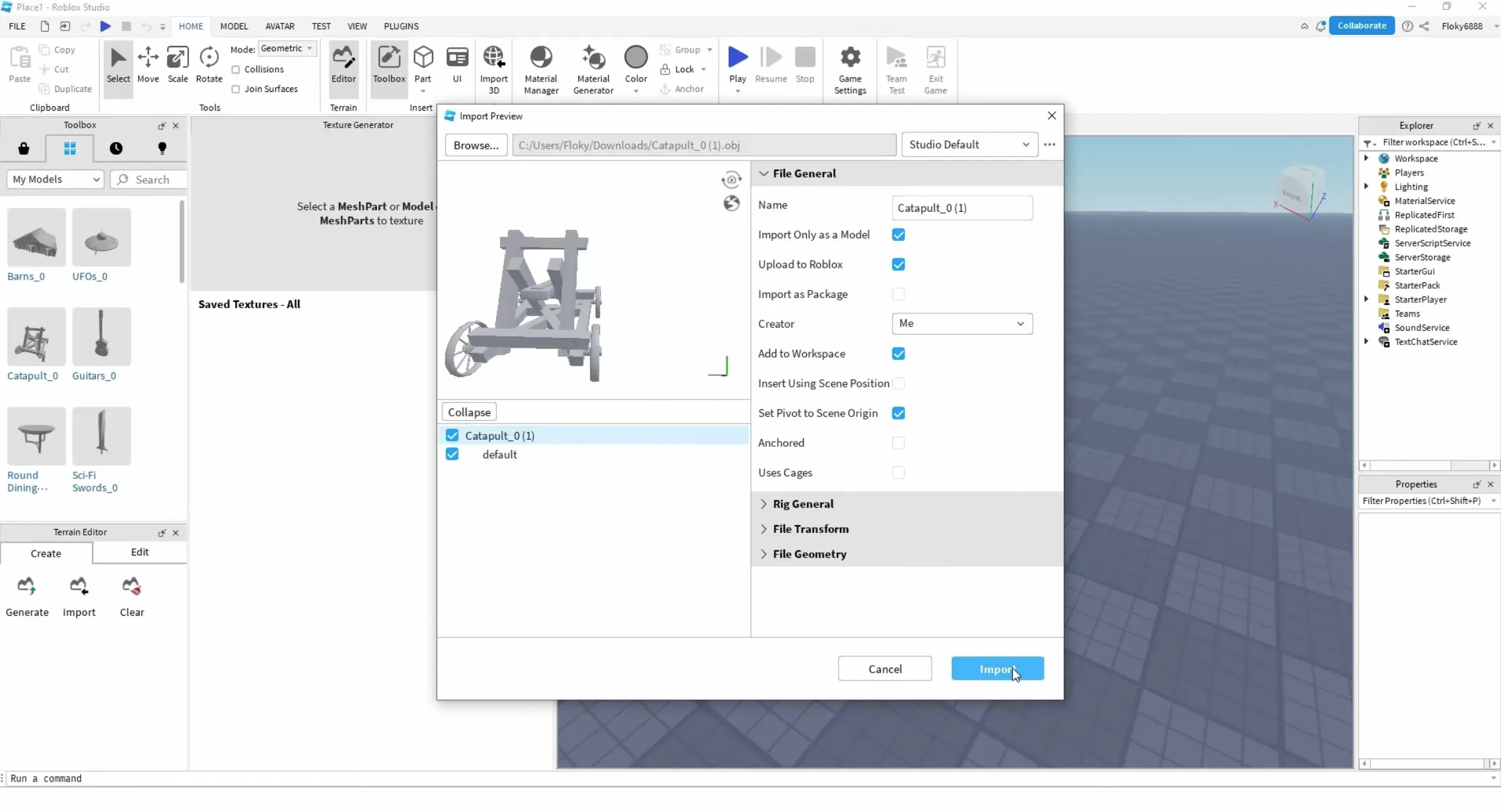


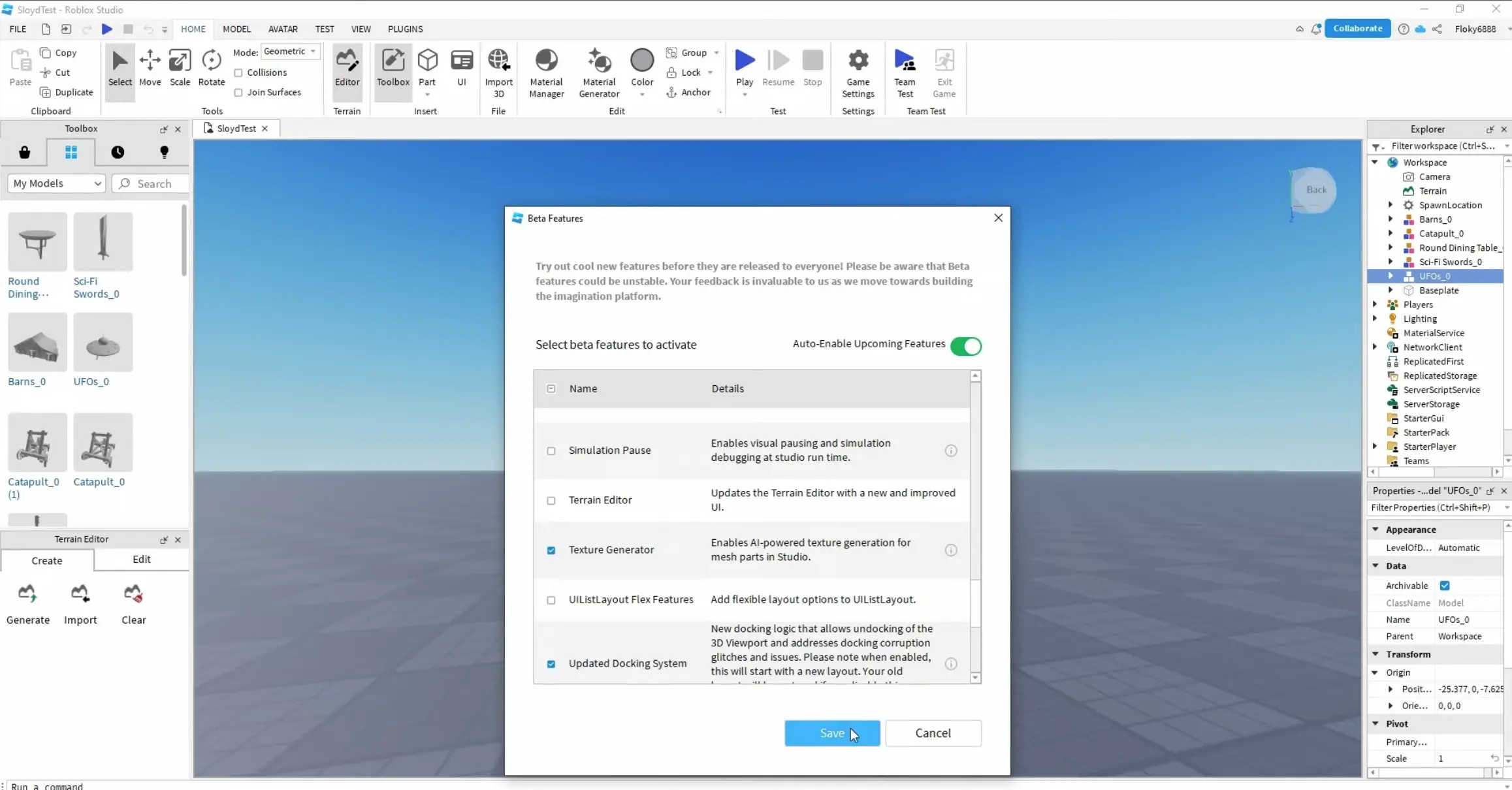
How To 3D Model Roblox Characters Blender Tutorial YouTube . Easiest Way To Create Models For Roblox Games Import Sloyd Model Into Roblox.webp. How To Make Roblox Characters 2025 Full Guide YouTube . How To Make Models In Roblox Studio 2025 YouTube . Easiest Way To Create Models For Roblox Games Activate Beta AI Texture In Roblox.webp