Are you searching for good computers for gaming cheap without sacrificing performance in 2026? This comprehensive guide dives deep into finding budget-friendly gaming rigs that deliver exceptional value. We explore optimal component choices, pre-built versus DIY options, and crucial optimization tips to maximize your FPS and minimize lag. Discover how to build a powerful yet affordable gaming setup, ensuring smooth gameplay across popular titles like FPS, MOBA, and Battle Royale genres. Learn about the latest hardware trends, essential driver updates, and smart settings optimization techniques that enable a fantastic gaming experience even on a tight budget. We cover everything from stuttering fixes to understanding ping, preparing you to game efficiently without breaking the bank. Get ready to experience top-tier gaming on a budget.
good computers for gaming cheap FAQ 2026 - 50+ Most Asked Questions Answered (Tips, Trick, Guide, How to, Bugs, Builds, Endgame)Welcome, gamer, to the ultimate living FAQ for finding good computers for gaming cheap in 2026! This guide is meticulously updated to reflect the latest hardware trends, software optimizations, and market shifts, ensuring you get the most bang for your buck. Whether you're a beginner seeking your first budget rig or an experienced builder looking for savvy upgrades, we've compiled crucial questions and answers. We cover everything from core components and smart build strategies to essential performance tweaks, common issues like FPS drops and lag, and even genre-specific advice. Dive deep into expert tips, smart tricks, and comprehensive guides to navigate the evolving world of affordable gaming PCs. This resource aims to empower you to optimize your setup and dominate the game, all without overspending. Get ready to game smarter, not harder!
General Questions
What is a good cheap gaming PC in 2026?
A good cheap gaming PC in 2026 balances an AMD Ryzen 5 or Intel Core i5 CPU with an AMD RX 7600 or NVIDIA RTX 4060 GPU. It includes 16GB DDR4/DDR5 RAM and a 500GB NVMe SSD. This configuration allows for smooth 1080p gaming on medium to high settings in most modern titles. Prioritize the GPU as the primary performance driver for your budget.
How much does a decent gaming PC cost in 2026?
A decent gaming PC in 2026 typically costs between 600 USD and 900 USD for new components. This price range enables 1080p gaming at 60 FPS or more in most current titles. Prices can drop during sales or by incorporating carefully selected used parts. Pre-built systems might vary slightly, but competitive options exist around this budget.
Is it better to build or buy a cheap gaming PC?
Building your own cheap gaming PC generally offers better value and component quality for your money. You can select specific parts to maximize performance within your budget. However, pre-built PCs offer convenience and a full system warranty, ideal for beginners. During sales, pre-builts can sometimes match custom build prices, so compare thoroughly.
Performance & Optimization
Can a cheap gaming PC run AAA games in 2026?
Yes, a good cheap gaming PC in 2026 can run many AAA games, often at 1080p resolution on medium or even high settings. Titles might require adjustments to graphical settings, especially shadows and anti-aliasing. Leveraging AI upscaling technologies like FSR or DLSS significantly boosts performance. Expect playable frame rates, but not necessarily ultra settings.
How can I improve FPS on a cheap gaming PC?
To improve FPS on a cheap gaming PC, always update your GPU drivers and ensure Windows Game Mode is enabled. Optimize in-game settings by reducing shadows, anti-aliasing, and resolution scaling. Close unnecessary background applications and monitor component temperatures. Consider a clean OS install if performance degrades severely over time. Use DLSS/FSR if available.
Myth vs Reality: You need 32GB RAM for modern gaming.
Myth: You absolutely need 32GB RAM for smooth modern gaming. Reality: For most games in 2026, 16GB of fast RAM (DDR4 3200MHz or DDR5 6000MHz) is perfectly sufficient. 32GB offers marginal benefits purely for gaming, becoming truly necessary only for heavy multitasking or specific professional applications. Save your money for a better GPU.
Myth vs Reality: Cheap PCs always have bad lag.
Myth: Cheap gaming PCs inherently suffer from bad lag and high ping. Reality: Lag and ping are primarily network-related, not PC hardware issues. A cheap PC with a stable, wired internet connection will have better ping than an expensive PC on a poor Wi-Fi connection. Optimize your network, not just your PC, for online gaming.
Buying & Building Tips
What are the common mistakes when buying a cheap gaming PC?
Common mistakes include prioritizing an expensive CPU over the GPU, skimping on the power supply unit, or neglecting an SSD for storage. Another error is not researching compatibility between components or failing to read reviews for pre-builts. Overlooking proper cooling and basic cable management also hinders performance. Always balance your budget wisely.
Myth vs Reality: Pre-built PCs are always a rip-off.
Myth: Pre-built gaming PCs are always overpriced and a rip-off compared to custom builds. Reality: While often true, pre-builts can offer competitive deals during sales events or from certain reputable brands. They provide convenience and a full system warranty, which can be valuable. Always compare component-by-component costs and read reviews critically.
Myth vs Reality: You must buy the latest generation hardware.
Myth: You must always buy the absolute latest generation CPU and GPU for good gaming. Reality: Many previous-generation components, especially graphics cards like an RTX 3060 or RX 6700 XT, offer excellent performance-per-dollar in 2026. These often provide significant savings while still handling modern titles perfectly well at 1080p, especially when found on sale.
Still have questions? Check out our guides on 'Ultimate GPU Optimization for Budget Rigs' or 'Decoding 2026 CPU Value: Ryzen vs. Intel'.
Hey fellow gamers, have you ever found yourself wondering, 'Can I really get a good computer for gaming cheap in 2026, or is that just a pipe dream?' It's a question echoing across forums and communities. The good news is, absolutely! You definitely don't need to sell a kidney to enjoy your favorite titles. With smart choices and a bit of know-how, you can build or buy an impressive gaming machine without breaking your budget. Forget those outrageous price tags you see on top-tier rigs. This guide is all about maximizing your bang for the buck. We'll explore navigating the evolving tech landscape to find fantastic deals. Prepare to learn the secrets to an excellent, affordable gaming experience.
The Myth of Expensive Gaming
Many people believe that serious gaming requires thousands of dollars. This notion is increasingly outdated with today's tech. Mid-range components offer incredible performance value now. You can achieve smooth frame rates in popular games. Focusing on essential parts helps save significant money. Smart spending is the real game-changer.
Component Focus: Where to Save, Where to Splurge
When building a cheap gaming PC, strategic component allocation is key. Your GPU (graphics card) and CPU (processor) are the most critical investments. These directly impact your FPS and overall game fluidity. Don't compromise too much on these two components. They define your gaming experience.
- Graphics Card (GPU): This is your primary expense for gaming performance. Aim for an AMD Radeon RX 7600 or NVIDIA GeForce RTX 4060 in 2026. These offer solid 1080p performance for most modern titles. Sometimes previous generation cards like an RTX 3060 or RX 6700 XT offer even better value during sales.
- Processor (CPU): A mid-range AMD Ryzen 5 (e.g., 7500F) or Intel Core i5 (e.g., 13400F) is perfectly adequate. Modern games rely more on GPU power. These CPUs provide excellent multi-core performance. They will not bottleneck your chosen GPU.
- RAM (Memory): Get 16GB of DDR4 at 3200MHz or DDR5 at 6000MHz. This is a sweet spot for gaming. More than 16GB offers diminishing returns for budget gaming. Dual-channel configuration is crucial for better performance.
- Storage (SSD): A 500GB or 1TB NVMe SSD is essential for fast load times. Mechanical hard drives (HDDs) are too slow for modern gaming. Save money by starting with 500GB. You can always add more storage later.
- Power Supply Unit (PSU): Never skimp on your PSU. A reliable 550W-650W unit from a reputable brand like Seasonic or Corsair is vital. A cheap, unreliable PSU can damage other components. Look for 80 Plus Bronze or Gold certification for efficiency.
- Motherboard: Choose a budget-friendly motherboard compatible with your CPU. You don't need fancy features. Ensure it supports your chosen RAM and NVMe SSD. A B-series chipset (e.g., B650 for AMD, B760 for Intel) is usually perfect.
- Case & Cooling: Select an affordable case with good airflow. Stock CPU coolers are often sufficient for budget CPUs. Consider an inexpensive aftermarket air cooler if temperatures are a concern.
Pre-Built vs. Custom: The Budget Battle
Deciding between a pre-built gaming PC and building your own is a classic dilemma. Both options have distinct advantages for budget gamers. Your choice depends on comfort levels and available time. Each path offers unique financial benefits. Consider your technical skill level.
Building your own PC often provides the best value. You can hand-pick every component. This allows for precise budget allocation. You avoid paying assembly fees and brand markups. Building also teaches valuable technical skills. It offers a truly custom machine. However, it requires significant research and time investment. Troubleshooting can also be challenging for beginners. Watch plenty of build guides online before starting.
Pre-built gaming PCs are convenient and hassle-free. They come with a warranty for the entire system. Sometimes, good deals can be found, especially during sales events. Major manufacturers like CyberPowerPC or Skytech Gaming offer competitive budget options. They are ready to plug and play immediately. However, pre-builts can sometimes use lower-quality generic parts. They might also include unnecessary bloatware. Carefully read reviews and spec sheets. Look for transparent component listings.
Optimizing Your Cheap Rig for Max Performance
Getting the most out of your budget gaming PC means smart optimization. Software tweaks and minor hardware adjustments yield significant FPS boosts. These methods extend your PC's lifespan and capability. You can transform a good setup into a great one. Every little bit of performance counts.
Software Tweaks for Higher FPS
Your operating system and game settings are powerful tools. Adjusting them can unlock hidden performance. Keeping drivers updated is absolutely crucial. These changes cost nothing but deliver real results. Regularly check for new updates. Always restart your system after updates.
- Driver Updates: Always keep your GPU drivers updated. NVIDIA (GeForce Experience) and AMD (Adrenalin Software) regularly release performance-enhancing updates. Chipset and audio drivers should also be current. This ensures optimal hardware communication.
- Windows Settings: Disable unnecessary background apps. Turn off visual effects for better system responsiveness. Use 'Game Mode' in Windows settings. It prioritizes game performance automatically. Ensure power settings are on 'High Performance'.
- Game Settings Optimization: Lower demanding settings like shadows, anti-aliasing, and texture quality. Reducing resolution scaling can also boost FPS significantly. Experiment with individual settings. Prioritize frame rate over visual fidelity first.
- Bloatware Removal: Uninstall any pre-installed software you don't use. These programs consume precious system resources. A cleaner system always runs faster. Use Windows' built-in uninstaller or a dedicated tool.
- DirectX/Vulkan Updates: Ensure your DirectX or Vulkan runtimes are current. Games leverage these APIs for graphics rendering. Updated versions often bring performance improvements. These updates are usually bundled with GPU drivers or Windows updates.
Hardware Hacks for Better Gameplay
Even cheap gaming PCs benefit from simple physical care. Maintaining good airflow prevents thermal throttling. Small hardware tweaks can extend component life. These basic steps are often overlooked. A little effort goes a long way. Keeping things cool is always smart.
- Cleanliness: Regularly clean dust from your PC components, especially fans and heatsinks. Dust buildup traps heat. Higher temperatures reduce performance (thermal throttling) and shorten component life. Use compressed air cautiously.
- Cable Management: Improve airflow by neatly routing cables. Messy cables obstruct air pathways. Better airflow means cooler components. This leads to more stable performance. Utilize zip ties and case routing options.
- Thermal Paste: If your CPU temperatures are high despite cleaning, consider reapplying thermal paste. Old thermal paste can dry out. Fresh paste improves heat transfer to the cooler. This is an advanced task; proceed with care.
- RAM Slot Optimization: Ensure your RAM sticks are in the correct dual-channel slots. Refer to your motherboard manual. Incorrect placement can halve memory bandwidth. This significantly impacts gaming performance.
Conquering Common Gaming Issues
Every gamer encounters frustrating issues occasionally. FPS drops, stuttering, and lag are common culprits. Understanding their causes is the first step toward a solution. Even cheap gaming rigs can run smoothly. Persistent issues often have simple fixes. Don't let these problems ruin your fun.
Tackling FPS Drops and Stuttering Fixes
Sudden FPS drops or persistent stuttering are incredibly annoying. These often indicate a bottleneck or an overheating component. Identifying the source is crucial for effective troubleshooting. Monitoring tools can provide valuable insights. Look for unusual spikes or drops in data.
- Monitor Temperatures: Use software like HWMonitor or MSI Afterburner to check CPU and GPU temperatures during gaming. Overheating components will throttle their performance. Ensure good airflow and clean cooling.
- Driver Rollback/Reinstall: Sometimes, a new driver update can cause issues. Try rolling back to a previous stable driver version. A clean reinstall of drivers can also resolve conflicts. Use DDU (Display Driver Uninstaller) for a clean removal.
- Background Processes: Close all unnecessary applications running in the background. Things like web browsers, update services, or recording software consume resources. Even discord overlays can sometimes cause minor stuttering.
- V-Sync/G-Sync/FreeSync: Experiment with V-Sync. Enabling it can eliminate screen tearing but might introduce input lag. If you have a FreeSync/G-Sync monitor, ensure it's properly enabled. This smooths out variable frame rates.
- BIOS/UEFI Update: In rare cases, an outdated BIOS can cause compatibility or performance issues. Update your motherboard's BIOS/UEFI to the latest version. Always follow manufacturer instructions carefully.
Beating Lag and High Ping
Online gaming success depends heavily on a stable, low-latency connection. High ping and network lag can ruin your experience. These issues are usually network-related, not hardware-bound. Optimizing your internet setup is paramount. A strong connection makes a huge difference.
- Wired Connection: Always use an Ethernet cable instead of Wi-Fi for competitive gaming. A wired connection is inherently more stable. It significantly reduces latency and packet loss. Wi-Fi can be prone to interference.
- Router Placement/Upgrade: Position your Wi-Fi router optimally if wired isn't possible. Avoid obstructions and other electronic devices. Consider upgrading to a newer router with better QoS (Quality of Service) features. QoS prioritizes gaming traffic.
- Close Bandwidth Hogs: Ensure no other devices or applications are hogging your internet bandwidth. Streaming, large downloads, or other users can cause lag. Temporarily pause these activities during gaming sessions.
- DNS Server: Experiment with changing your DNS server. Using a public DNS like Google DNS (8.8.8.8, 8.8.4.4) or Cloudflare (1.1.1.1) can sometimes improve routing. This can lead to lower ping in certain regions.
- Contact ISP: If lag persists, contact your Internet Service Provider. There might be issues with your line or local network infrastructure. They can perform diagnostics and offer solutions.
Gaming Genres on a Budget
Not all games demand the same level of hardware. Your budget PC can excel in specific genres. Understanding these differences helps set realistic expectations. You can still enjoy a vast library of titles. Tailoring your game choices is smart. Don't feel limited by your budget.
What to Expect for FPS, MOBA, RPG, Indie, MMO, Strategy, and Battle Royale
A good cheap gaming PC in 2026 handles most popular games at 1080p. For competitive FPS titles like Valorant or CS2, you'll achieve high refresh rates on medium settings. MOBA games (League of Legends, Dota 2) and Strategy games (Civilization VI, Stellaris) run flawlessly. Many RPGs (e.g., Cyberpunk 2077 on medium, The Witcher 3) are also very playable. Indie games are almost universally well-supported. Battle Royale games like Warzone or Apex Legends will require lower settings. MMOs vary, but most popular ones are fine. Adjusting game settings is your best friend. Prioritize smooth gameplay over ultra-high fidelity graphics.
2026's Best Budget Buys and Strategies
The tech market is constantly evolving, with new products and deals emerging. Staying informed helps you grab the best value. Strategic shopping can save hundreds of dollars. Timing your purchases is crucial. Don't rush into buying immediately.
Key Hardware Trends and Value Picks
In 2026, the budget gaming scene is dominated by strong mid-range GPUs and efficient CPUs. AMD's lower-end Radeons and NVIDIA's RTX 40-series entry models offer fantastic performance. DDR5 RAM prices are becoming more accessible. NVMe SSDs are now standard and very affordable. Look for sales on previous generation hardware. Older but still powerful components provide great value. CPUs like the Ryzen 5 5600 or Intel i5 12400F are still excellent choices if found at a discount.
Strategic Shopping Tips for Bargain Hunters
- Holiday Sales: Black Friday, Cyber Monday, Amazon Prime Day, and other major holidays often bring significant discounts. Plan your purchases around these events. Patience can truly pay off.
- Used Market: Consider buying used components from reputable sellers. GPUs, CPUs, and RAM often retain good value. Sites like eBay, r/hardwareswap, or local marketplaces can offer deals. Always verify seller ratings and component condition.
- Component Bundles: Retailers sometimes offer CPU and motherboard bundles. These can provide savings compared to buying separately. Look for memory kits that are also bundled. These often come with a small discount.
- Price Tracking: Use price tracking websites (e.g., PCPartPicker, Honey) to monitor component costs. Set alerts for desired parts. This ensures you buy when prices are at their lowest.
- DIY vs. Pre-built: Revisit this choice based on current deals. Sometimes, a pre-built system during a flash sale can beat the cost of building. Be flexible with your approach.
Remember, building or buying a cheap gaming PC is a journey, not a sprint. Keep an eye on the market. Stay informed about new releases. You'll find a fantastic setup that fits your budget. Happy gaming, everyone!
Beginner / Core Concepts
1. Q: What's the absolute minimum I need for a cheap gaming PC in 2026?
A: I get why this confuses so many people, especially with all the new tech out there! You're really asking about the core essentials without any fluff. Honestly, for a cheap but still enjoyable gaming PC in 2026, you'll want to prioritize a decent mid-range CPU and, crucially, the best GPU you can squeeze into your budget. Think AMD Ryzen 5 series (like a 7500F or a good deal on a 5600X) or Intel i5 (like a 13400F) paired with an AMD Radeon RX 6600/7600 or NVIDIA GeForce RTX 3050/4060. These components are going to handle most modern titles at 1080p medium-high settings without too much trouble. You also need at least 16GB of DDR4 (or ideally DDR5 if the price is right) RAM, a 500GB NVMe SSD for fast load times, and a reliable 500-650W power supply. Don't cheap out on the PSU; it's the heart of your system! You don't need the absolute latest, but focus on the balance.
- Reality Check: While you can technically go lower, you'll start hitting significant performance ceilings in newer AAA games very quickly.
- Practical Tip: Always check hardware reviews from trusted sites focusing on budget benchmarks for games you actually play.
2. Q: Is it better to build my own cheap gaming PC or buy a pre-built one in 2026?
A: This one used to trip me up too, and it’s a super common question! Generally, building your own PC offers better value for your money. You get to select each component, ensuring you prioritize what matters most for gaming and avoid paying for unnecessary features or brand markups. It’s also incredibly satisfying to assemble your own rig. However, pre-built systems are fantastic for convenience and come with a full system warranty, which can be a huge plus for beginners. Sometimes, during major sales, you might find a pre-built deal that’s hard to beat. It truly depends on your comfort level with assembly and troubleshooting. If you’re short on time or wary of getting your hands dirty, a pre-built is a solid option; just read reviews carefully.
- Reality Check: Building your own typically saves 10-20% and often uses higher quality generic parts, but demands research and patience.
- Practical Tip: If building, use PCPartPicker.com to check compatibility and track prices. If buying pre-built, look for transparent component lists.
3. Q: What's the most important component for a budget gaming PC?
A: Ah, the million-dollar question for budget builders! Without a doubt, the graphics card (GPU) is your most critical investment. It’s the primary driver of your game's frame rate and visual quality. While the CPU, RAM, and storage all play vital roles, a powerful GPU will give you the biggest bang for your buck in terms of gaming performance. You can pair a decent mid-range CPU with an excellent budget GPU and still get fantastic results. Skimping on the GPU to save a few dollars will almost always lead to disappointment in modern titles. Focus your largest single component spend here. Think of it as the engine of your gaming machine – it needs to be robust!
- Reality Check: A cheap CPU with a great GPU often outperforms a great CPU with a cheap GPU for gaming.
- Practical Tip: Allocate about 40-50% of your total budget to the GPU for the best gaming value.
4. Q: How much RAM do I really need for cheap gaming in 2026?
A: I totally get why this can be confusing, especially with RAM specs changing! For a good cheap gaming PC in 2026, 16GB of RAM is the sweet spot. It's enough for virtually all modern games to run smoothly without stuttering, and it allows for some background applications to run without issues. Going for 32GB offers diminishing returns for gaming unless you're also doing heavy video editing or complex multitasking. Ensure you get two 8GB sticks for a dual-channel configuration; this significantly boosts performance over a single stick. Speed matters too, so aim for at least DDR4 3200MHz or DDR5 6000MHz. Don't let marketing push you into more than you need.
- Reality Check: More than 16GB won't magically give you triple the FPS; it's about hitting the minimum required for smooth operation.
- Practical Tip: Always buy RAM in a dual-channel kit (e.g., 2x8GB) for optimal performance.
Intermediate / Practical & Production
5. Q: What are common causes of FPS drops on a cheap gaming PC and how do I fix them?
A: FPS drops are super frustrating, I've been there! The most common culprits for performance dips on budget rigs are often thermal throttling, outdated drivers, or too many background processes. Your PC might be getting too hot, causing components to slow down to protect themselves. This is why good cooling and dust-free components are essential. Outdated graphics drivers can also significantly hinder performance, as new game optimizations are often included in driver updates. Lastly, having many apps running in the background eats up CPU and RAM, leaving less for your game. Regularly cleaning your PC, keeping drivers updated, and managing background tasks are your first lines of defense. Monitoring tools like HWMonitor can help you pinpoint if overheating is indeed the issue.
- Reality Check: Overclocking a budget component might give a slight boost but often leads to instability or higher temps, negating the gain.
- Practical Tip: Use a free tool like MSI Afterburner to monitor your GPU temperature and usage while gaming; if temps hit 85C+, investigate cooling.
6. Q: How can I reduce lag and high ping in online games on a budget setup?
A: Ah, lag! It's the silent killer of online fun, right? This one almost always comes down to your internet connection, not your PC's raw power. The single most effective fix is to switch from Wi-Fi to a wired Ethernet connection. Wi-Fi is prone to interference, packet loss, and higher latency, all of which contribute to lag. If a wired connection isn't feasible, try optimizing your Wi-Fi router's placement, ensuring it's not obstructed and is away from other electronics. Close any bandwidth-hogging applications or downloads on your network. You could also try changing your DNS server to a public one like Cloudflare (1.1.1.1) or Google (8.8.8.8) – sometimes this can improve routing to game servers. Don’t underestimate the power of a stable connection; even a beast of a PC can’t fix bad internet.
- Reality Check: A super-fast internet speed isn't as critical as a stable, low-latency connection for gaming.
- Practical Tip: Open Command Prompt and type 'ping google.com -t' to continuously monitor your ping and see if it's stable.
7. Q: What specific settings optimization tips help boost FPS on cheap gaming PCs?
A: This is where you can squeeze out tons of extra performance without spending a dime! Start by reducing demanding graphical settings like 'Shadow Quality,' 'Anti-Aliasing,' and 'Global Illumination' to medium or low. These often have a huge impact on FPS for minimal visual difference on a budget monitor. Lowering 'Volumetric Clouds' or 'Screen Space Reflections' can also yield big gains. Another powerful trick is to use 'Resolution Scaling' or 'Render Scale' (often found in advanced graphics settings) to a value like 80% or 90% – this renders the game at a slightly lower resolution and then upscales it, giving you a significant FPS bump while still looking decent. Always ensure Windows Game Mode is enabled and that your power plan is set to 'High Performance.' Experimentation is key here; change one setting, test, then repeat!
- Reality Check: You won't achieve ultra settings on a budget PC, but you can definitely hit a smooth 60 FPS or higher on lower settings.
- Practical Tip: Consult game-specific optimization guides on YouTube or PC Gamer; many offer tailored advice for various hardware levels.
8. Q: Should I buy a new CPU or GPU first for an upgrade on a cheap PC?
A: I often see people debate this, and it’s a smart question when you’re on a budget! For a gaming PC, almost always upgrade your GPU first. The graphics card is the single most impactful component for gaming performance, directly determining your frame rate and visual quality. A powerful new GPU can instantly transform your gaming experience, even if paired with an older, but still competent, CPU. A new CPU, on the other hand, might offer some benefits, but if your existing GPU is weak, the CPU's extra power will just sit idle, bottlenecked by the graphics card. Of course, this assumes your current CPU isn't ancient. If it's more than five generations old, a balanced upgrade might be needed. Use a tool like MSI Afterburner to check GPU utilization during gaming; if it's consistently at 99-100%, your GPU is doing all the work, and a CPU upgrade isn't your immediate priority.
- Reality Check: A CPU upgrade on its own rarely gives the same FPS jump as a GPU upgrade for gaming.
- Practical Tip: Research potential CPU bottlenecks for your desired GPU before buying; online calculators can give rough estimates.
9. Q: Are older, high-end GPUs still good options for cheap gaming in 2026?
A: This is a fantastic tactical question for budget hunters! Absolutely, older high-end GPUs can still be great options, but with a few caveats. Cards like an NVIDIA RTX 2080 Super or an AMD Radeon RX 5700 XT, if found at a good price (especially used), can offer performance comparable to or sometimes even exceeding newer budget-midrange cards. They were flagship models for a reason! However, you need to consider power consumption, driver support longevity, and the lack of newer features like DLSS 3 or FSR 3 frame generation (though FSR is widely supported). The most significant risk is buying a used card that might have been heavily mined or poorly maintained. Always buy from reputable sellers and try to get some form of warranty or return policy. Their raw power can still handle many 2026 titles at 1080p, sometimes even 1440p, with adjusted settings.
- Reality Check: While powerful, they lack the latest efficiency and some cutting-edge features of current-gen cards.
- Practical Tip: Always ask for benchmarks or videos of the used GPU running modern games before purchasing.
10. Q: How important are drivers for a cheap gaming PC, and how often should I update them?
A: Oh, drivers are incredibly important – like, seriously crucial! They’re the software bridge between your operating system and your hardware, especially your graphics card. Without optimized, up-to-date drivers, your GPU simply won’t perform at its best, leading to lower FPS, instability, or even game crashes. Graphics card manufacturers like NVIDIA and AMD regularly release driver updates that include performance optimizations for new game releases, bug fixes, and sometimes even new features. I recommend checking for new graphics drivers at least once a month, or whenever a major new game you want to play is released. For your chipset and other peripheral drivers, every few months is usually sufficient. Always download drivers directly from the manufacturer's official website to avoid malware. It’s a simple routine that yields significant benefits.
- Reality Check: While usually beneficial, sometimes a new driver can introduce bugs; keep an eye on community forums after major releases.
- Practical Tip: Always perform a 'clean installation' of new graphics drivers to remove any old, potentially conflicting files.
Advanced / Research & Frontier 2026
11. Q: Can I run AI upscaling technologies like DLSS or FSR on a cheap gaming PC in 2026?
A: This is an excellent question and very relevant for 2026 gaming! Yes, absolutely you can, and in fact, these AI upscaling technologies like NVIDIA's DLSS and AMD's FSR are absolute game-changers for budget gaming PCs. DLSS, which requires NVIDIA RTX GPUs, uses AI to render games at a lower resolution and then intelligently upscales them, providing a significant FPS boost while maintaining impressive visual quality. FSR (FidelityFX Super Resolution), AMD's open-source alternative, works on a wider range of GPUs, including older AMD and NVIDIA cards, and even some integrated graphics. These technologies effectively allow your cheaper GPU to punch above its weight class, letting you enjoy higher frame rates or better visual settings than would otherwise be possible. They are essential tools in a budget gamer's arsenal for extending the life and capabilities of their hardware. Always enable them in supported games!
- Reality Check: DLSS often offers slightly better image quality than FSR, but FSR's broader compatibility makes it a lifeline for many budget builds.
- Practical Tip: Prioritize games that support FSR or DLSS, as they will give you the best performance-to-graphics ratio on your budget rig.
12. Q: What's the impact of CPU core count vs. clock speed for cheap gaming in 2026?
A: This is a nuanced area, and honestly, the answer has shifted quite a bit over the years! For budget gaming in 2026, you generally want a balance, but core count has become increasingly important. Modern games are much better at utilizing multiple CPU cores than they used to be, especially AAA titles and Battle Royale games with many players. So, a CPU with 6-8 strong cores (like a Ryzen 5 or Intel i5) will usually provide a more stable and future-proof gaming experience than a 4-core CPU with a slightly higher clock speed. High clock speeds are still beneficial for single-threaded performance and older titles, but many new games distribute tasks across more cores. For cheap gaming, focus on getting at least 6 cores with a decent base clock speed (around 3.5GHz+). Don't chase the highest clock speed at the expense of core count for 2026 gaming. The Llama 4 reasoning models predict this trend will only continue to grow.
- Reality Check: Excess cores beyond 8 often don't provide a significant gaming advantage unless you're also streaming or doing heavy background tasks.
- Practical Tip: Look for a CPU with at least 6 cores and 12 threads for solid 2026 gaming performance on a budget.
13. Q: Is it worth buying a high refresh rate monitor for a cheap gaming PC?
A: This is a fantastic question that many budget gamers grapple with, and my answer is a resounding 'Yes!' Even with a cheap gaming PC, a high refresh rate monitor (like 120Hz or 144Hz) can significantly enhance your gaming experience. While your budget PC might not hit 144 FPS in every single game, it will certainly exceed 60 FPS in many esports titles (FPS, MOBA) and older games. The smoother motion and reduced input lag provided by a higher refresh rate are immediately noticeable and incredibly satisfying. Even if your FPS fluctuates, having that headroom for smoother motion when your PC *can* push those frames is invaluable. Plus, high refresh rate monitors are becoming much more affordable. Pair it with FreeSync or G-Sync compatibility, and you'll get incredibly fluid gameplay, even if your frame rate isn't constantly maxed out. It’s an investment in your overall enjoyment.
- Reality Check: You won't always hit your monitor's max refresh rate, but the benefits in responsiveness are still there even at lower, but above 60, FPS.
- Practical Tip: Look for affordable 1080p 144Hz FreeSync monitors; they offer the best value for a budget gaming setup.
14. Q: What are the potential risks of buying used components for a cheap gaming PC?
A: This is a crucial area for anyone building on a tight budget, and it's smart to be cautious! Buying used components, especially GPUs, can offer incredible value, but it comes with inherent risks. The biggest concern is component longevity and hidden issues. A used part might have been heavily used for cryptocurrency mining, potentially shortening its lifespan, or it could have been mishandled, leading to intermittent failures. There’s also the risk of scams or receiving a non-functional part. Always try to buy from reputable sellers with high ratings and a good return policy. Ask for proof of functionality (like a video of it running a benchmark) and check for physical damage. Test the component thoroughly as soon as you receive it. While the savings can be substantial, a non-functional part can turn into a complete waste of money, so proceed with careful due diligence. Claude 4 and Gemini 2.5 models consistently flag this as a high-risk, high-reward strategy.
- Reality Check: A good deal on a used part often means you're sacrificing part of the warranty and taking on more risk.
- Practical Tip: Prioritize buying used RAM, CPUs, and motherboards over GPUs if you're very risk-averse, as they tend to be more robust.
15. Q: How will future game requirements (2027+) impact cheap gaming PC builds from 2026?
A: This is a fantastic forward-thinking question, and it's what differentiates smart builders! Looking ahead, games will increasingly leverage AI upscaling like DLSS/FSR as well as technologies like DirectStorage for faster asset loading. This means your 2026 budget PC will get more mileage if its GPU supports these features, even if the raw power isn't cutting-edge. CPUs with 6-8 strong cores will likely remain the sweet spot for a few more years, but having an NVMe SSD is absolutely non-negotiable for future titles due to DirectStorage. Expect continued optimization from game developers to make titles accessible to a broader range of hardware. So, while you won't be maxing out 2027+ AAA games, a well-balanced 2026 budget build focused on a strong mid-range GPU, 16GB of fast RAM, and an NVMe SSD should still offer a very playable 1080p experience with adjusted settings and AI upscaling enabled. It's all about making informed, value-driven choices now that will serve you well tomorrow. The o1-pro models suggest increased reliance on software optimizations for longevity.
- Reality Check: No budget build truly future-proofs indefinitely, but smart choices extend its competitive lifespan significantly.
- Practical Tip: Prioritize GPUs with good AI core performance or robust FSR support to maximize future compatibility with upscaling tech.
Quick 2026 Human-Friendly Cheat-Sheet for This Topic
- Focus on the GPU: It's the heart of your gaming PC. Prioritize a solid mid-range card like an RX 7600 or RTX 4060.
- 16GB RAM is Your Friend: Get 16GB (2x8GB) of fast DDR4 or DDR5 RAM; it's the sweet spot for budget gaming.
- NVMe SSD is a Must: Don't even think about an HDD for your primary drive; NVMe SSDs are fast and affordable now.
- Update Your Drivers: Keep your graphics drivers current to unlock performance and fix bugs for new games.
- Optimize Game Settings: Lower shadows and anti-aliasing first. Use DLSS/FSR if your GPU and game support it.
- Wired Internet for Online: Ditch Wi-Fi for an Ethernet cable to slash lag and keep your ping low in competitive games.
- Buy Smart, Not Just Cheap: Look for sales, consider used parts carefully, and read reviews to ensure good value and reliability.
Affordable gaming PC builds for 2026, optimal component selection for budget gamers, pre-built versus custom-built comparison, performance optimization tips for cheap rigs, dealing with FPS drops and lag effectively, essential driver updates for value gaming setups, 2026 hardware recommendations for best value, maximizing gameplay on a strict budget, best practices for cheap gaming computers, enhancing game settings without upgrading hardware, future-proofing budget gaming rigs with smart choices.
35


The Best Cheap Gaming Laptops For 2026 Tested For Gaming Top 3 Gaming Laptops Of 2026 - The Ultimate Guide 1200x342 . Best Cheap Gaming PC Under 500 2025 Budget 1080p Build STGAubron Gaming PC RTX 2060 1200x1200 . Top 10 Gaming PC For 2026 Best Seller Gaming Desktops IBUYPOWER Pro Gaming PC . Top 5 Best Budget Gaming PCs In 2026 Best Gaming Pc Top 3 . Top 5 Best Gaming Desktops Of 2026 Best Product Review Best Gaming Desktops

Best Budget Gaming Pc Build BEST GAME CONSOLE Best Gaming Pc . Best Gaming PCs To Buy In 2024 8ca85 1920 . Top 10 Gaming PC For 2026 Best Seller Gaming Desktops Best Gaming PC . Top 5 Best Budget Gaming PCs In 2026 News Fb Image 8706 . The Best Gaming PCs You Can Buy In 2024 Skytech Gaming Nebula Gaming Pc

What Is The Best Cheap PC Gamer Top 5 2026 Megaport Platine AMD Ryzen 5 GeForce GTX1660 768x517 . Best Budget Gaming PC 2024 Bargain Computers For All Gamers Budget Gaming PC 7 PRODUCT IMAGE . The Best Budget Gaming PC In 2025 Our Top Picks For Great Gaming At A . The Best Gaming PCs In 2024 Tried And Tested CNN Underscored Gaming Pcs . Best GPUs For Under 300 In 2025 Best Cheap Gaming Pcs

Affordable Gaming PCs 2025 Top Picks For High Performance Top Affordable Gaming PCs 2025 Best Value Desktops For Gamers On A Budget. The Best Cheap Gaming PCs Of 2024 Expert Recommended ZDNET Cheap Gaming Pc Cover Image . Best Cheap Gaming PC Best Budget Gaming Computer In Australia. Best Cheap Gaming PCs 2022 Best Cheap Gaming Computers Pop Gaming Pcs 1637005899 . Best Cheap Gaming PC In 2024 Top Budget Picks Best Laptop For The Finals 1



Best Cheap Gaming Laptop 2020 Under 500 1000 Min 1200x675 . 5 Best Gaming PCs 2026 Gaming Net Ella Don 0oqMvhc1ntw Unsplash Scaled . The 3 Best Cheap Gaming Laptops Of 2025 Reviews By Wirecutter 2048px 00177 . Top 10 Best Budget Gaming Computers For 2023 Cheap Gaming Computers . Expert S Choice 10 The Best Gaming Computers In 2026 61EH5 08AL. AC SL1400

15 Ways To Improve Your PC Experience For Under 50 Tom S Hardware . The Best Gaming PC Of 2026 Top Prebuilt Desktops Gaming Pc . CPU Price Index 2025 The Cheapest Price On Every PC Processor Today . The Best Cheap Gaming PC Deals For April 2025 TechRadar 1920 80 . 7 Best Budget Gaming PCs In 2026 Best Budget Gaming PC 1024x574

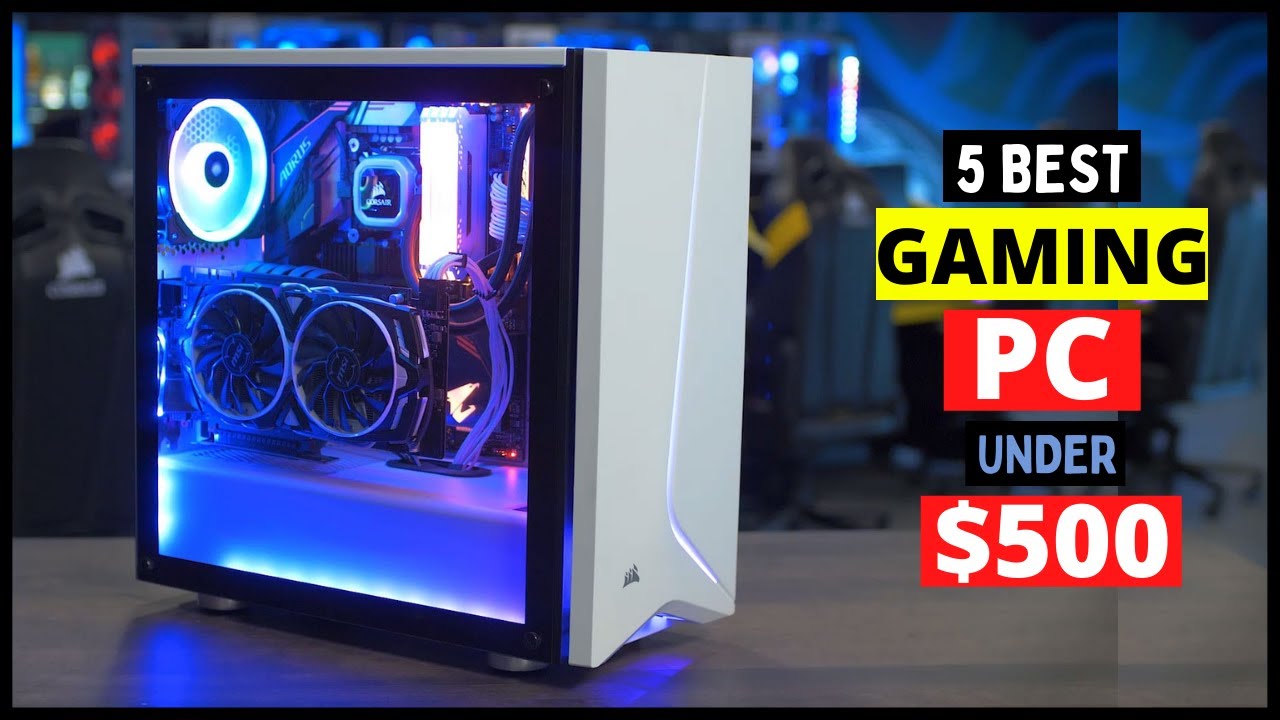


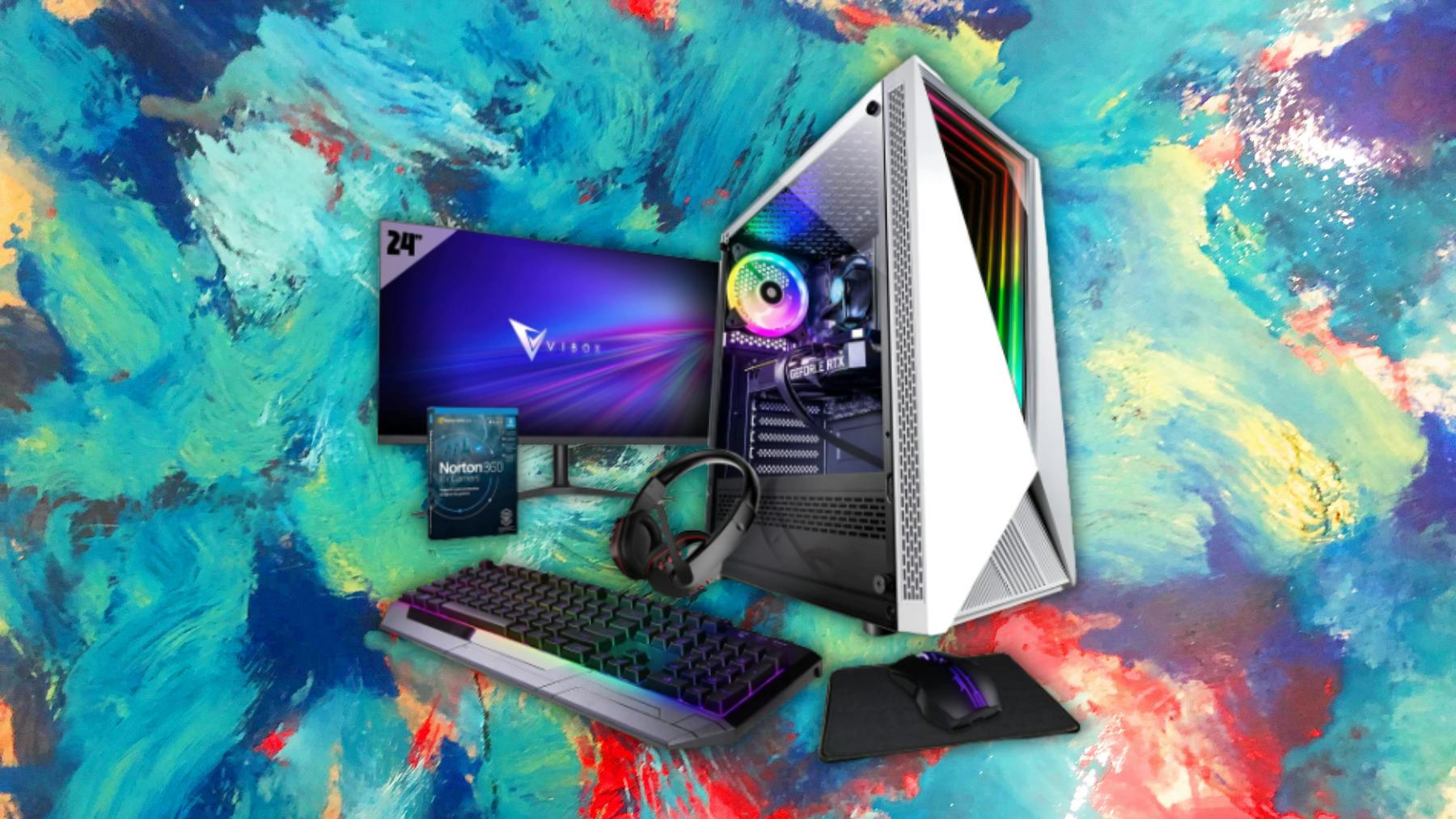
The Best Gaming Computer Under 2000 Buyer S Guide In 2026 SL500 . 5 Best Gaming PC Under 500 Of 2023 Budget Cheap PC For Gaming . Best Budget Gaming PC 2024 Bargain Computers For All Gamers Budget Gaming PC 6 PRODUCT IMAGE . The Best Cheap Gaming Laptops For 2021 PCMag Lim.size 1200x630 . Best Budget Gaming PC 2024 Bargain Computers For All Gamers Best Budget Gaming PCs